Krakau Reiseführer
Ihr kompletter Reiseführer für Krakau: Stadtviertel, Sehenswürdigkeiten, praktische Tipps und interaktive Karte.
Auf einen Blick
- 800+ Jahre Geschichte
- Über 14 Millionen Touristen jährlich
- UNESCO-Welterbe seit 1978
- Größter mittelalterlicher Marktplatz Europas
Was in Krakau sehenswert ist und wie viele Tage Sie brauchen
Krakau ist eine der wenigen europäischen Großstädte, die den Zweiten Weltkrieg mit intaktem historischem Zentrum überstanden haben. Die gesamte Altstadt gehört zum UNESCO-Weltkulturerbe, seit 1978, als einer der allerersten Einträge auf der Liste. Über 14 Millionen Besucher kommen jedes Jahr wegen 800 Jahren Architektur, einer lebhaften Gastronomieszene und der Nähe zu Auschwitz-Birkenau und dem Salzbergwerk Wieliczka.
Die Stadt ist kompakt und gut zu Fuß zu erkunden. Die Altstadt durchquert man in 15 Minuten, aber die meisten bleiben tagelang, es gibt so viel zu sehen. Dieser Reiseführer beschreibt Krakau Viertel für Viertel, listet die wichtigsten Sehenswürdigkeiten auf, gibt fertige Pläne für 1, 2 oder 3 Tage und deckt alle praktischen Details ab: Transport, Essen, Kosten und Tagesausflüge.
Krakau auf einen Blick
Die wichtigsten Infos für die Planung Ihrer Reise
Wissenswertes
Alle Tipps ansehenBeste Reisezeit
Mai bis September ist Hauptsaison. Juni und September sind ideal: warm und weniger überlaufen.
Transport
Die Altstadt ist komplett fußläufig. Straßenbahnen decken die Stadt ab. Der Flughafenzug braucht 20 Minuten.
Lokale Köstlichkeiten
Pierogi, Zapiekanka, Obwarzanek und Oscypek. Ein Essen in der Milchbar kostet nur 15-30 PLN.
Preise
1 EUR sind etwa 4,3 PLN. Eine Mahlzeit kostet 30-50 PLN, Bier 14-22 PLN, Kaffee 12-20 PLN.
Sicherheit
Krakau ist eine der sichersten Städte Europas. Normale Vorsicht in Menschenmengen.
Interaktive Karte
Entdecken Sie Krakaus wichtigste Sehenswürdigkeiten, Treffpunkte und Stadtviertel
Top-Orte
Stadtviertel von Krakau
Jedes Viertel erzählt ein anderes Kapitel der Geschichte Krakaus
Stare Miasto (Altstadt)
Das königliche Herz Krakaus: Hauptmarkt, Marienkirche, Wawel und Jahrhunderte Geschichte an jeder Ecke.
Kazimierz (Jüdisches Viertel)
Das kulturelle Herz Krakaus: historische Synagogen, lebhafte Straßenkunst, trendige Cafés und Nachtleben.
Podgórze (Ghetto-Viertel)
Ein bewegendes Viertel jenseits des Flusses: Schindlers Fabrik, Platz der Ghettohelden und Gedenkstätten des Zweiten Weltkriegs.
Nowa Huta
Erbaut als sozialistische Musterstadt in den 1950ern. Sowjetische Architektur, Geschichte des Kalten Krieges und eine authentische Seite Krakaus.
Wo man in Krakau übernachtet
Vier Viertel, in die wir Gäste schicken, mit den ehrlichen Vor- und Nachteilen.
Die Altstadt bringt Sie nur ein paar Schritte vom Rynek entfernt unter, aber im Juli und August sind die Bars rundherum bis 3 Uhr nachts laut, fragen Sie also nach einem Zimmer zum Innenhof. Kazimierz ist das Herz von Essen und Nachtleben und wirkt gelebter, Podgórze auf der anderen Flussseite ist ruhiger und günstiger, und die Straßen direkt am Kraków Główny passen für alle, die früh den Zug nach Auschwitz oder Zakopane nehmen. Wählen Sie danach, wie Ihre Reise wirklich aussieht, nicht nur nach der Karte.
Altstadt (Stare Miasto)
Innerhalb des Planty-Parkrings laufen Sie in wenigen Minuten zur Marienkirche, zu den Tuchhallen und zum Wawel. Der Haken ist der Sommerlärm, buchen Sie also ein Zimmer abseits der Straße oder zum Innenhof.
Kazimierz
Das alte jüdische Viertel hat das beste Essen der Stadt, von Zapiekanki am Plac Nowy bis zu den Weinbars in der Józefa und der Meiselsa, und bis zum Rynek sind es zehn Minuten zu Fuß. Wenn Sie leicht schlafen, bleiben Sie ein, zwei Straßen vom Plac Nowy entfernt.
Podgórze
Gehen Sie über die Vater-Bernatek-Fußgängerbrücke, und die Preise sinken, während das Tempo gemächlicher wird. Sie sind direkt neben der Schindler-Fabrik und dem MOCAK, dem Museum für moderne Kunst, und die Tram oder ein fünfzehnminütiger Spaziergang bringt Sie zurück nach Kazimierz.
Nahe dem Bahnhof Kraków Główny
Der Bahnhof liegt hinter dem Einkaufszentrum Galeria Krakowska am Nordrand der Altstadt, also sind der Zug vom Flughafen und die morgendlichen Busse nach Wieliczka und Zakopane gleich um die Ecke. Praktisch und zentral, auch wenn die Häuserblocks an der Pawia eher funktional als hübsch sind.
Empfohlene Orte
Handverlesene Sehenswürdigkeiten
Hauptmarkt
Herz der Altstadt, umgeben von Cafés
Königsschloss Wawel
Königliche Residenz über der Weichsel
Stadtviertel Kazimierz
Synagogen, Street Art und die besten Bars
Marienkirche
Gotisches Meisterwerk mit stündlichem Trompetensignal
Krakus-Hügel
Bestes kostenloses Stadtpanorama
Top-Sehenswürdigkeiten
Orte, die Sie bei Ihrem Besuch in Krakau nicht verpassen sollten
Wawel-Burg
Königliche Residenz über Jahrhunderte, auf einem Hügel über der Weichsel.
Marienkirche
Gotisches Meisterwerk am Hauptmarkt mit dem berühmten Trompetensignal jede Stunde.
Salzbergwerk Wieliczka
Unterirdisches UNESCO-Wunder mit Kapellen, vollständig aus Salz geschnitzt.
Kazimierz
Historisches jüdisches Viertel, heute das trendigste Viertel mit Cafés und Galerien.
Krakau in 1, 2 oder 3 Tagen
Fertige Pläne für 1, 2 oder 3 Tage, passen Sie sie Ihrem Tempo an
Altstadt-Highlights
Beginnen Sie am Wawel, besichtigen Sie die Königsgemächer und die Kathedrale, in der polnische Könige gekrönt wurden. Gehen Sie hinunter zum Fluss für einen Blick auf die Burg von unten.
Gehen Sie die Grodzka-Straße zum Hauptmarkt hinauf. Betreten Sie die Marienkirche (hören Sie das Trompetensignal zur vollen Stunde). Stöbern Sie in den Tuchhallen. Zum Mittagessen eine Milchbar in der Nähe des Platzes, günstiges, authentisches polnisches Essen.
Wechseln Sie nach Kazimierz zum Abendessen. Der Plac Nowy hat die beste Zapiekanka der Stadt (halbes Baguette mit Belag). Die Gegend um Szeroka und Józefa bietet Dutzende Bars und Restaurants.
Stadt plus Wieliczka oder Auschwitz
Folgen Sie dem 1-Tages-Plan. Nachmittags das Rynek Underground Museum unter dem Hauptmarkt besuchen, eine moderne Ausstellung rund um mittelalterliche Marktstände.
Morgens zum Salzbergwerk Wieliczka (30 Min. vom Zentrum, 2-3 Stunden unter Tage) oder ganztägig nach Auschwitz-Birkenau. Bei Wieliczka nachmittags Kazimierz: Schindlers Fabrik, alte Synagogen in der Szeroka-Straße.
Stadt, Tagesausflug und Berge
Folgen Sie dem 2-Tages-Plan. Planen Sie Wieliczka und Auschwitz an separaten Tagen ein.
Fahren Sie in die Tatra oder nach Zakopane (2 Stunden mit dem Auto). Zakopane ist Polens Bergkurort, mit Holzarchitektur, der belebten Krupówki-Fußgängerzone und Seilbahnfahrten. Alternativ bleiben Sie in Krakau: Nowa Huta morgens, Podgórze nachmittags. Zum Abschluss eine Stadtrundfahrt im elektrischen Golfwagen, unserem kleinen Melex.
Wenn Sie nur einen Tag in Krakau haben
Beginnen Sie am Morgen am Wawel-Schloss, gehen Sie durch die Innenhöfe und die Kathedrale, dann hinunter die Grodzka, die alte Königsroute, direkt zum Hauptmarkt. Steigen Sie auf den Turm oder treten Sie einfach in die Marienkirche, um den Altar von Veit Stoß zu sehen, und stöbern Sie dann an den Holzständen unter den Tuchhallen (Sukiennice). Zum Mittag holen Sie sich Pierogi und Żurek in einer Milchbar wie Milkbar Tomasza, meist rund 25 bis 40 PLN für einen vollen Teller, und heben Sie sich den Abend für Kazimierz und seine Innenhofbars rund um den Plac Nowy auf. Wenn die Beine nicht mehr wollen, deckt eine geführte Tour im kleinen Melex den Wawel, die Altstadt, Kazimierz und Podgórze in etwa zwei Stunden ab, der schnellste ehrliche Weg, an einem Tag alles zu sehen.
Tagesausflüge ab Krakau
Krakau ist der perfekte Ausgangspunkt für Südpolen. Alle Ausflüge beinhalten privaten Transport und Hotelabholung.
Auschwitz-Birkenau
Ganztägige Führung durch die Gedenkstätte und das Museum. 70 km westlich von Krakau. Lizenzierter Guide, Eintrittskarten, privater Transport.
~7hSalzbergwerk Wieliczka
UNESCO-Untertagewelt mit Kapellen, Seen und Skulpturen aus Salz. 15 km von Krakau, Halbtagsausflug.
~4hTatra-Gebirge
Wanderungen in Polens höchstem Gebirge an der slowakischen Grenze. Alpenseen, Panoramawege, Bergkultur.
~10hZakopane
Bergkurort mit Holzarchitektur, der Krupówki-Fußgängerzone und Käsemarkt. 100 km südlich von Krakau.
~8hWadowice
Geburtsort von Papst Johannes Paul II. Sein Elternhaus, die Basilika und die berühmte Kremowka-Torte.
~5hTschenstochau
Kloster Jasna Góra mit der Schwarzen Madonna, Polens wichtigster Wallfahrtsort. 130 km nördlich von Krakau.
~8hTagesausflüge ab Krakau auf einen Blick
Sechs Ausflüge, die wir am häufigsten anbieten, mit der Fahrzeit pro Strecke und wer sie meist liebt. Alle privat, mit Abholung am Hotel.
Krakaus Geheimtipps
Orte abseits der ausgetretenen Pfade, die die meisten Touristen verpassen: lokale Favoriten, die den Umweg lohnen
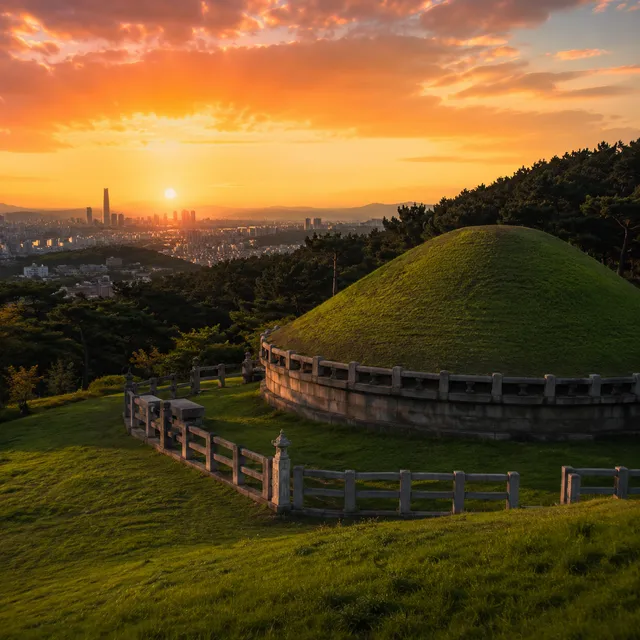
Krakus-Hügel bei Sonnenuntergang
Ein prähistorischer Grabhügel in Podgórze mit dem besten kostenlosen 360-Grad-Blick auf Krakau. 20 Minuten bergauf vom Platz der Ghettohelden. Einheimische kommen mit einer Flasche Wein und sehen zu, wie die Sonne hinter dem Wawel versinkt.
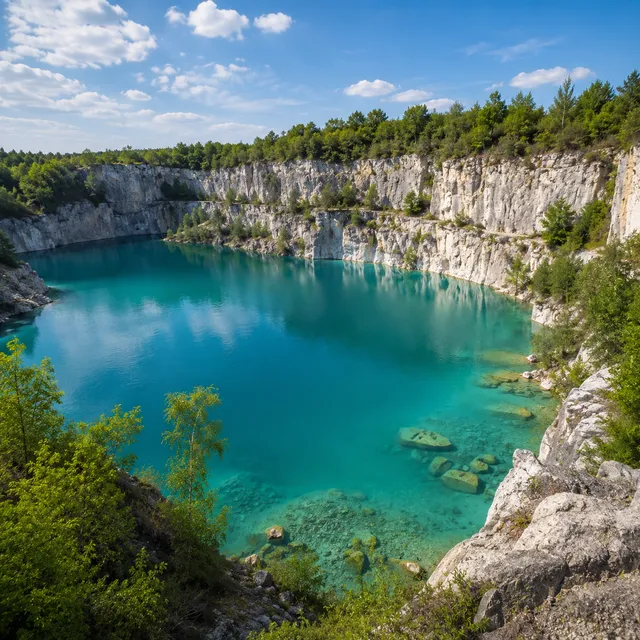
Türkislagune Zakrzówek
Ein gefluteter Kalksteinbruch, 4 km südwestlich der Altstadt. Kristallklares türkisfarbenes Wasser, umgeben von 30 m hohen Felswänden. Im Sommer als öffentliches Badegelände geöffnet. Tram 8 bis Norymberska, dann 10 Minuten zu Fuß.
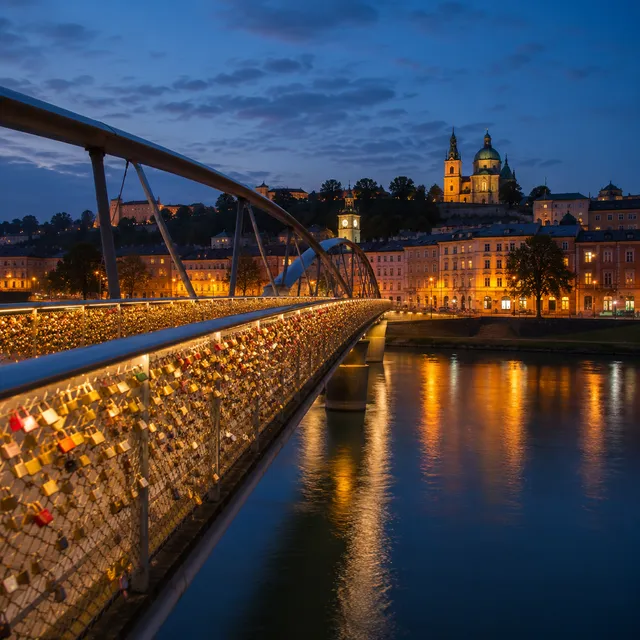
Bernatka-Fußgängerbrücke
Eine Fußgängerbrücke von 2010 zwischen Kazimierz und Podgórze, geschmückt mit bronzenen Akrobaten-Skulpturen über der Weichsel. Paare hängen Liebesschlösser ans Geländer. Besonders fotogen zur blauen Stunde.
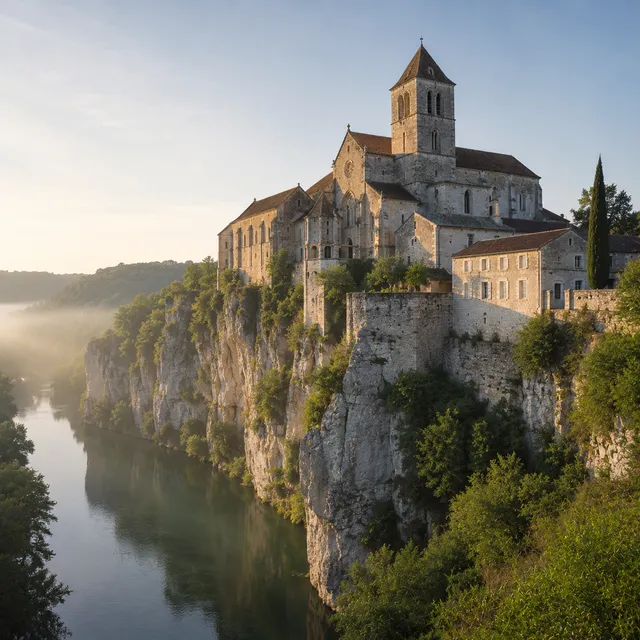
Benediktinerabtei Tyniec
Gegründet 1044 auf einem Kalksteinfelsen über der Weichsel, das älteste aktive Kloster Polens. 30 Minuten vom Zentrum mit Bus 112. Die Mönche backen noch ihr eigenes Brot, das man vor Ort kaufen kann.
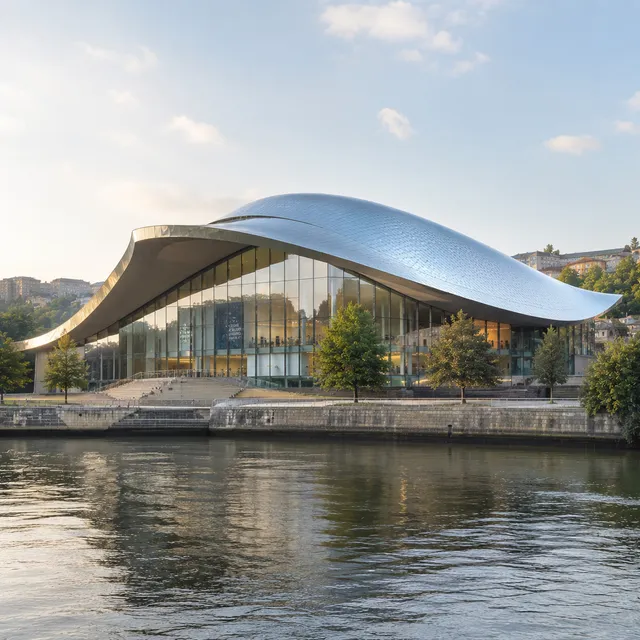
Manggha-Museum für japanische Kunst
Erbaut, um die japanische Kunstsammlung von Feliks Jasieński zu beherbergen; das Museumsgebäude wurde vom Filmregisseur Andrzej Wajda finanziert. Gegenüber dem Wawel auf der anderen Weichselseite. Das Café am Flussufer hat den besten Wawel-Blick in Krakau, und fast niemand kennt es.
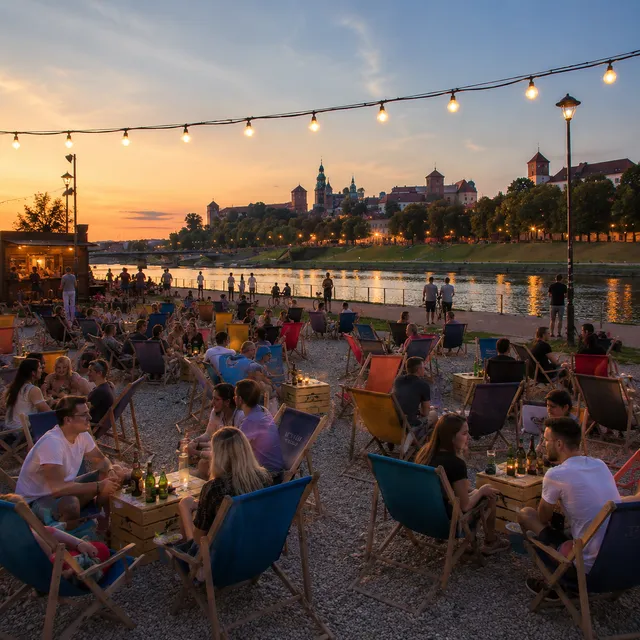
Forum Przestrzenie, Bar am Weichselufer
Ein brutalistisches Hotel aus den 1980ern, heute eine der meistfotografierten Bars Krakaus. Im Sommer Liegestühle am Weichselufer, im Winter beheizter Innenraum. Die Preise sind fair und der Blick auf den Wawel ist unschlagbar.
Vor Ihrer Reise nach Krakau
Einreisebestimmungen, Dokumente und die Apps, die Sie vor dem Abflug installieren sollten
Krakau, im Englischen manchmal Cracow geschrieben, gehört zu den am einfachsten zu organisierenden Städtereisen Europas. Polen liegt im Schengen-Raum, für die meisten Besucher gibt es also kein Visum und kaum Papierkram. Hier finden Sie genau, was Sie vor der Reise brauchen, aktuell für 2026.
Ein paar unverzichtbare Apps, die Ihre Reise nach Krakau einfacher, günstiger und angenehmer machen.






Geld in Krakau: Karten, Bargeld und versteckte Gebühren
Polen zahlt mit dem Zloty, nicht mit dem Euro. So bezahlen Sie, ohne Geld zu verlieren
Polens Währung ist der polnische Zloty (PLN, geschrieben zl), unterteilt in 100 Groschen (groszy). Es ist das einzige akzeptierte Zahlungsmittel, es lohnt sich also nicht, Euro zum Ausgeben mitzubringen. Die gute Nachricht: Krakau ist nahezu bargeldlos, und zwei einfache Gewohnheiten verhindern, dass die Banken Ihr Reisebudget still und leise anknabbern.
In Verbindung bleiben: SIM-Karten, eSIMs und WLAN
In Krakau online gehen, ohne den Roaming-Schock
Krakau ist gut mit schnellem 4G und 5G versorgt, und online zu gehen ist günstig, wenn Sie vorausplanen. Ihre Optionen, von der einfachsten bis zur günstigsten:
Ist Krakau sicher? Betrugsmaschen und Straßenklugheit
Krakau ist sehr sicher. Das Hauptrisiko ist Ihr Geldbeutel, nicht Ihre Sicherheit
Krakau gehört zu den sichereren Städten Europas, und Gewaltverbrechen gegen Touristen sind selten. Die wahren Risiken sind eine Handvoll bekannter Betrugsmaschen und Taschendiebe in Menschenmengen, und mit etwas Aufmerksamkeit hat man sie alle im Griff.
Lokale Umgangsformen und die Regeln, in die Touristen tappen
Die Polen sind entspannt, aber einige lokale Regeln bringen echte Bußgelder mit sich
Die meisten Umgangsformen in Krakau sind gesunder Menschenverstand, aber eine Handvoll Regeln erwischt Besucher unvorbereitet, und einige bringen Bußgelder vor Ort mit sich. Die, die man kennen sollte:
Vom Flughafen Krakau ins Zentrum
Vier Wege von Krakau-Balice (KRK) in die Altstadt: Preise, Fahrzeiten und wann sich welche Option lohnt
Alle 30 Min., 04:00-24:00
Expressbus, ~30 Min
Nur den offiziellen Taxistand nutzen
Festpreis, Fahrer wartet mit Namensschild, Flug wird verfolgt
1-3 Pers.
Unterwegs in die Altstadt oder nach Kazimierz? Alle vier Optionen bringen Sie auf 5-15 Gehminuten an die zentralen Hotels heran. Der Zug endet am Hauptbahnhof Kraków Główny, von dort sind es 5 Minuten zu Fuß in die Altstadt.
Unterwegs in Krakau
Trams, Busse und ein Ticket, das für beides gilt
Die Altstadt und Kazimierz lassen sich von einem Ende zum anderen zu Fuß erkunden, Sie werden also meist zu Fuß unterwegs sein. Wenn Sie doch mal eine Tram oder einen Bus brauchen, gilt dasselbe MPK-Zeitticket für beide, Sie wählen also einfach, wie lange Ihre Fahrt dauern wird. Kaufen Sie an den gelben Automaten an den Haltestellen oder in der App, entwerten Sie sofort beim Einsteigen, planen Sie Routen mit Jakdojade und nehmen Sie spät nachts einen Bolt oder Uber, wenn die Trams seltener fahren.
Beste Reisezeit für Krakau
Wetter, Andrang und was wirklich los ist, Monat für Monat
Krakau ist eine Stadt für das ganze Jahr, aber das Erlebnis verändert sich stark zwischen einem sonnigen Septembernachmittag auf dem Rynek und einem frostigen Dezemberabend auf dem Weihnachtsmarkt. So fühlen sich die vier Jahreszeiten wirklich an, damit Sie Termine finden, die zu dem passen, weswegen Sie kommen.
Krakau Monat für Monat
Typisches Wetter, Andrang und was los ist, für jeden Monat des Jahres
Wenn Sie ungefähr wissen, wann Sie reisen können, finden Sie hier, wie sich jeder Monat in Krakau (im Englischen manchmal Cracow) tatsächlich anfühlt. Die Temperaturen sind typische Tageshöchst- und Nachttiefstwerte; Festivaltermine verschieben sich jedes Jahr etwas, prüfen Sie sie also auf den offiziellen Veranstaltungsseiten, bevor Sie buchen.
Praktische Tipps
Alles, was Sie vor Ihrem Besuch in Krakau wissen müssen
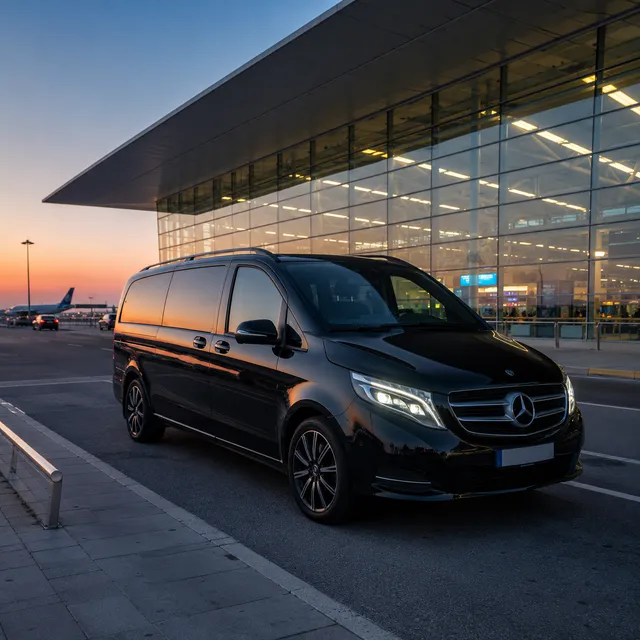
Anreise
Der Flughafen Krakau (KRK) ist etwa 11 km vom Zentrum entfernt (15 km über die Straße). Zug: 20 Min, Bolt/Uber: rund 60-80 PLN, Taxi mit Taxameter: rund 100-140 PLN. Wir bieten private Flughafentransfers.
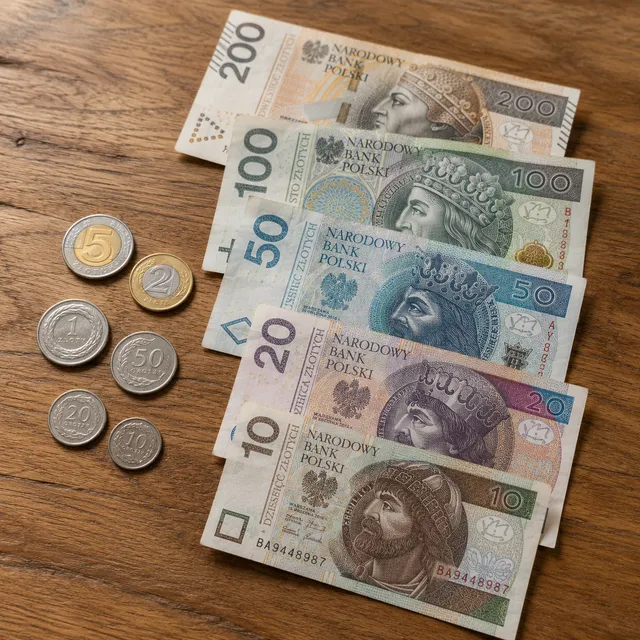
Währung & Preise
Polen verwendet PLN (Zloty). 1 EUR ≈ 4,3 PLN. Krakau ist günstig: Mahlzeit 30-50 PLN, Bier 14-22 PLN, Kaffee 12-20 PLN.
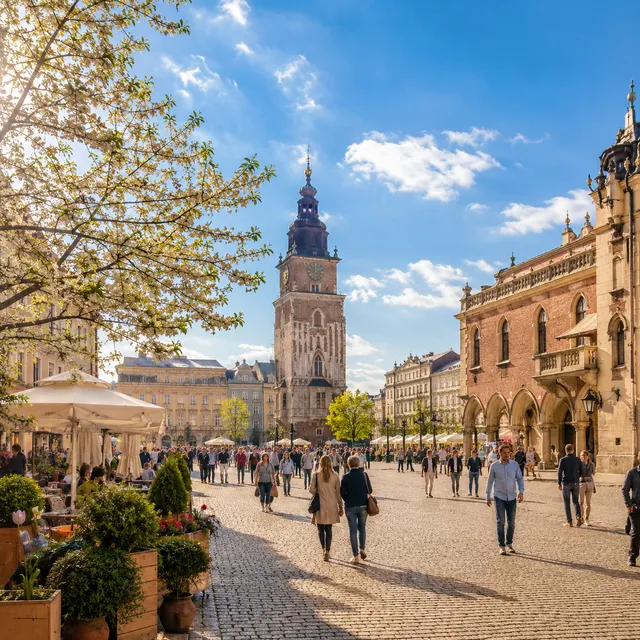
Wetter & beste Reisezeit
Beste Monate: Mai bis September. Sommer Ø 25 °C. Winter bis -5 °C, aber die Weihnachtsmärkte sind magisch. Kleiden Sie sich in Schichten.
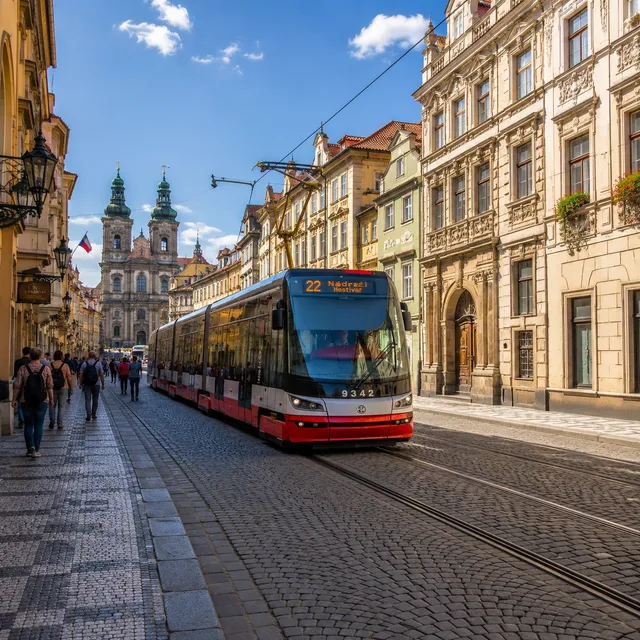
Fortbewegung
Die Altstadt ist sehr fußläufig. Straßenbahnen decken die Stadt ab. Für Gruppen oder Komfort sind unsere Stadtrundfahrten im elektrischen Golfwagen ideal.
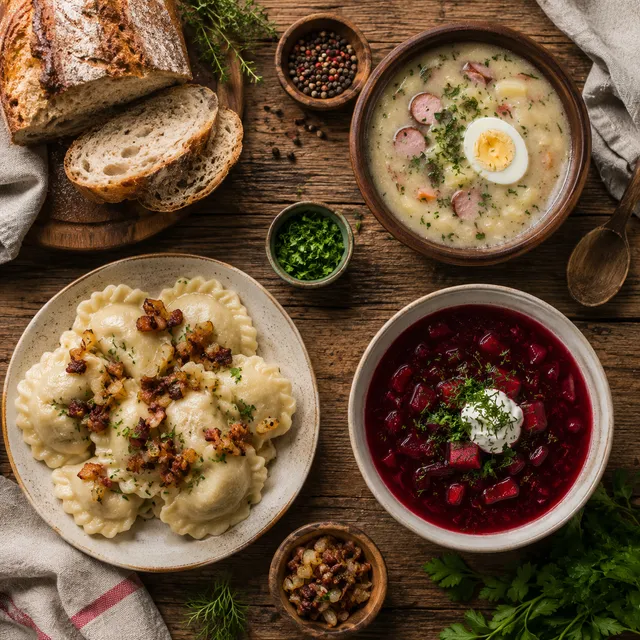
Essen probieren
Pierogi (Teigtaschen), Zapiekanka (polnische Baguette-Pizza), Obwarzanek (Brezelring) und Oscypek (geräucherter Schafskäse).
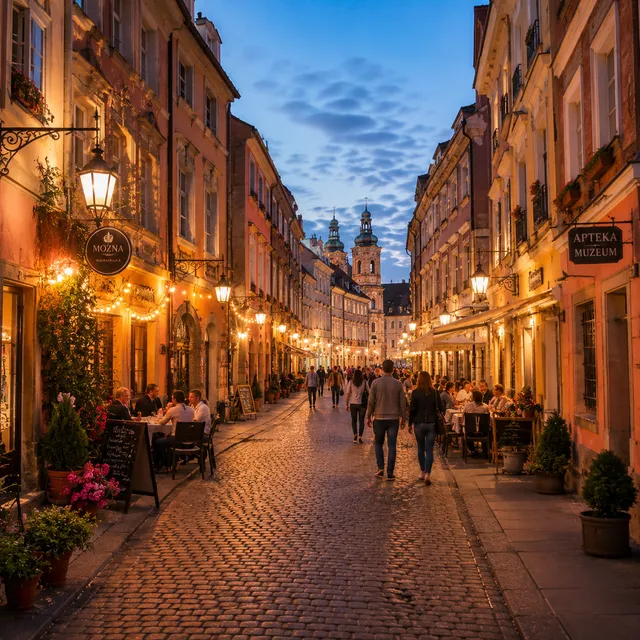
Sicherheit
Krakau ist sehr sicher für Touristen. Normale Vorsichtsmaßnahmen: Achten Sie auf Ihre Sachen in Menschenmengen.
Häufige Fehler, die Sie vermeiden sollten
Fünf Dinge, die Erstbesucher schnell falsch machen, und wie Sie sich den Ärger sparen.
Wechseln Sie kein Geld in den Kantors direkt am Hauptmarkt, die Kurse dort sind schlecht; gehen Sie ein paar Minuten zu einem Kantor in der Szewska oder nahe dem Bahnhof Galeria Krakowska, oder zahlen Sie einfach mit Karte.
Tauchen Sie nicht ohne Buchung in Auschwitz-Birkenau auf, der Eintritt ist mit Zeitfenster und seit März 2026 nur online, und im Sommer sind die Plätze Tage im Voraus ausgebucht, reservieren Sie also vor Ihrer Anreise (oder lassen Sie uns Transfer und Eintritt übernehmen).
Gehen Sie nicht davon aus, dass Sie in Euro zahlen können, Polen nutzt den Zloty (PLN), und während Karten fast überall funktionieren, klappt Bargeld in Euro meist nicht.
Steigen Sie nicht in ein Taxi ohne Taxameter, das am Kraków Główny wartet, nehmen Sie ein Taxi mit Taxameter, bestellen Sie einen Bolt oder Uber oder buchen Sie einen Transfer zum Festpreis, damit Sie den Fahrpreis vorab kennen.
Lassen Sie die Milchbars (bary mleczne) nicht aus, diese urigen Kantinen servieren Pierogi, Suppen und Schnitzel, und eine volle Mahlzeit kostet immer noch rund 20 bis 25 PLN.
Wo man in Krakau essen kann
Von günstigen Kantinen bis zu Restaurants, Krakau hat eine der besten Gastronomieszenen Mitteleuropas
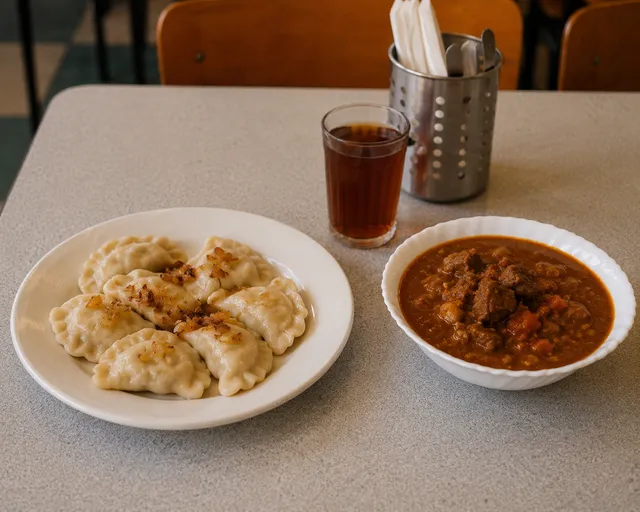
Milchbars (Bar Mleczny)
Subventionierte Kantinen aus der kommunistischen Zeit, die heute noch betrieben werden. Volle Mahlzeit für 15-30 PLN. Probieren Sie Bar Mleczny Krakus in der Św. Gertrudy Straße. Pierogi, Bigos, Kotlet schabowy.
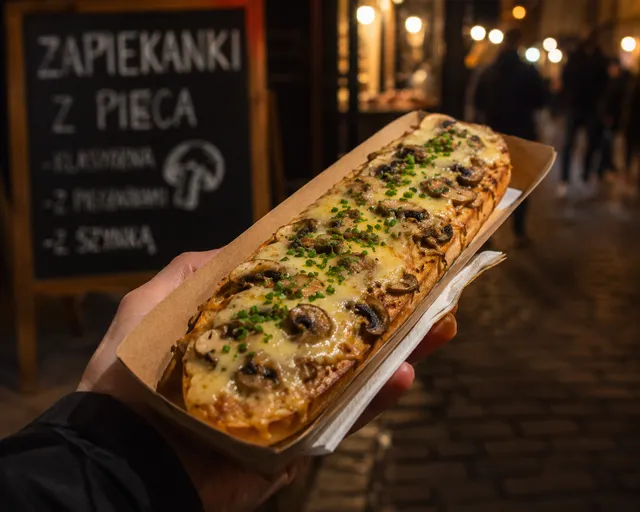
Zapiekanka am Plac Nowy
Das runde Gebäude in der Mitte des Plac Nowy in Kazimierz hat ein Dutzend Fenster mit Zapiekanka, überbackene halbe Baguettes mit Pilzen, Käse und Belägen. Spät geöffnet, 10-18 PLN.
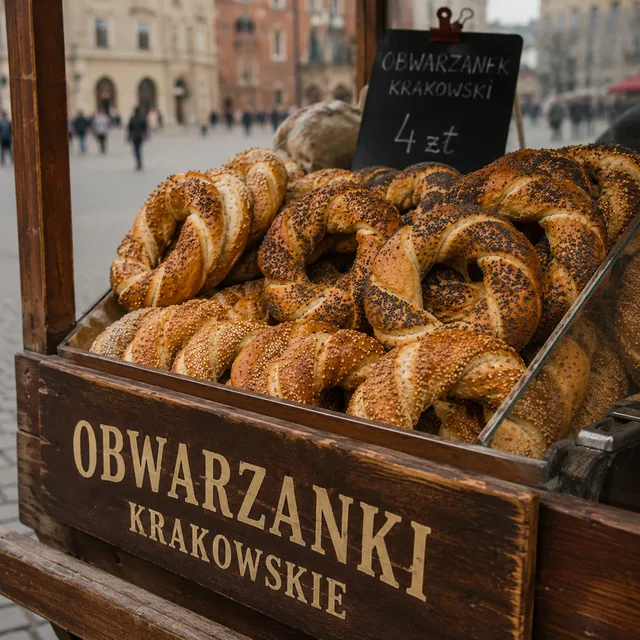
Obwarzanek
Krakaus typischer Straßensnack, ein gedrehter Brotring mit Mohn, Sesam oder Salz. An blauen Wagen an fast jeder Ecke der Altstadt. 3-5 PLN. Täglich werden über 100.000 Stück verkauft.
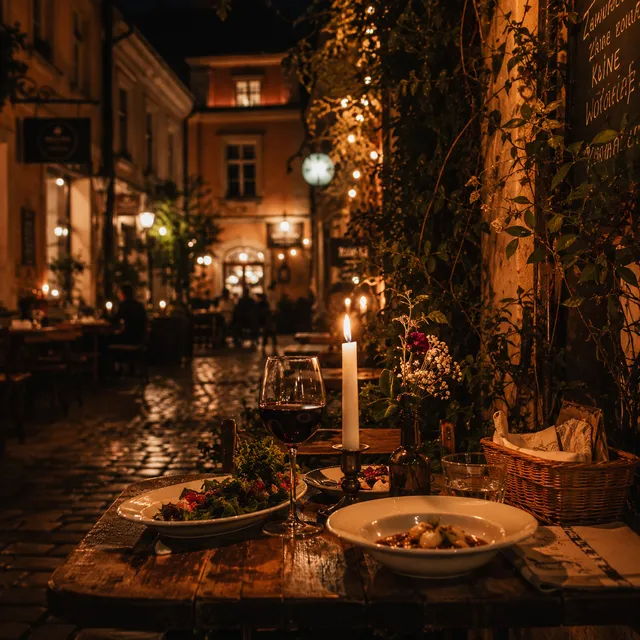
Restaurants in Kazimierz
Die Straßen rund um Plac Nowy und ul. Józefa haben die höchste Dichte guter Restaurants in Krakau. Polnisch, jüdisch, italienisch, vietnamesisch, alle Preisklassen.
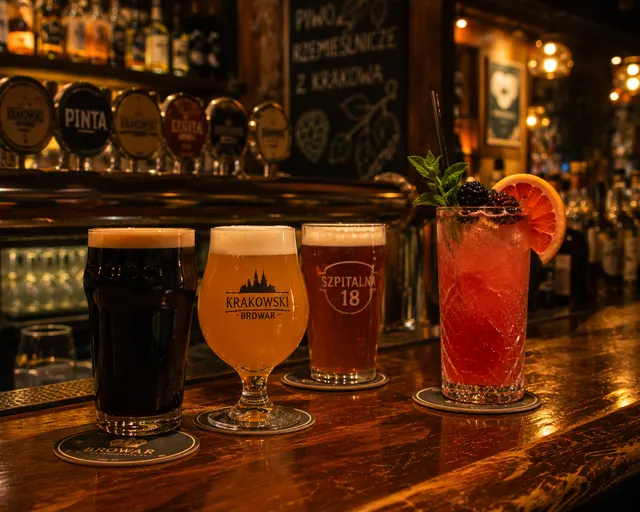
Craft-Bier & Cocktails
Krakau hat eine lebhafte Craft-Bier-Szene. Omerta und House of Beer in Kazimierz führen Dutzende polnische Mikrobrauereien. Für Cocktails: Kellerbars an der Floriańska oder Stolarska.
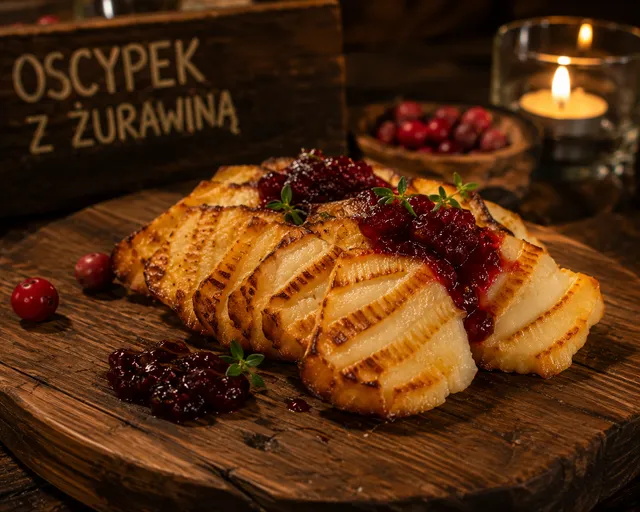
Oscypek & lokaler Käse
Geräucherter Schafskäse aus der Tatra, meist gegrillt mit Preiselbeeren serviert. Von Bergbewohnern auf dem Hauptmarkt und in Zakopane verkauft.

Die besten Pierogi in Krakau
Für klassische gekochte Pierogi gehen Sie zur Pierogarnia Krakowiacy in der Szewska oder zur Pierogarnia Pod Aniołami in der Altstadt. Süße Pierogi mit Heidelbeeren sind eine Sommerspezialität. Ein Teller mit 10 Stück kostet 25-40 PLN. Die vegetarische Variante (ruskie, mit Kartoffeln und Käse) wird am häufigsten bestellt.
Polnische Küche: was bestellen und wo
Acht Gerichte, die man in Krakau probieren sollte, was sie sind und je ein guter Ort dafür
In Krakau kann man sehr gut und sehr günstig essen. Beginnen Sie mit diesen acht Klassikern. Die günstigsten, authentischsten Varianten gibt es meist in einer Milchbar (bar mleczny), einer subventionierten Kantine mit hausgemachter polnischer Küche. Die folgenden Lokale sind langjährige Favoriten der Einheimischen, aber die Öffnungszeiten ändern sich, prüfen Sie das also, bevor Sie eigens hinfahren.
Getränke: Wodka, Craft-Bier, Met und Nalewki
Was man in Krakau trinkt, und wie die Einheimischen es nehmen
Polen ist ein Wodka-Land, aber Krakaus Trinkkultur geht weit darüber hinaus. Vier Dinge, die einen Versuch wert sind:
Preise in Krakau und Tagesbudgets
Was die Dinge kosten, und was man pro Tag einplanen sollte
Krakau gehört zu den preiswertesten Städtezielen Europas. Die folgenden Zahlen sind grobe Richtwerte für 2026 in Zloty; sie schwanken mit Saison, Nachfrage und Wechselkurs, betrachten Sie sie also als Näherung, nicht als exakte Preise.
Die Preise sind Richtwerte und können je nach Saison, Lage und Art des Lokals variieren.
Was man pro Tag und Person einplanen sollte
Krakau für Familien, Paare, Alleinreisende und Senioren
Für wen sich die Stadt eignet, mit je einem praktischen Tipp
Krakau passt zu fast jedem: Die Stadt ist kompakt, sicher und preiswert. Unterschiede stecken nur im Detail, deshalb finden Sie hier, was Sie je nach Art der Reise erwartet.
Häufig gestellte Fragen
Schnelle Antworten auf die häufigsten Fragen zu Krakau
Mai bis September bietet das wärmste Wetter. Juli und August sind Hochsaison. Juni und September sind ideal: warm genug, aber weniger überlaufen. Dezember lohnt sich wegen des Weihnachtsmarktes auf dem Hauptmarkt.
Zwei bis drei Tage sind optimal. Ein Tag reicht für die Altstadt. Ein zweiter Tag für Wieliczka oder Auschwitz. Ein dritter Tag für Zakopane oder die Tatra.
Ja. Krakau zählt regelmäßig zu den sichersten Städten Europas für Besucher. Gewaltverbrechen gegen Touristen sind äußerst selten.
Nein. Englisch ist in Hotels, Restaurants und touristischen Gebieten weit verbreitet. Junge Polen sprechen fließend Englisch.
Flughafen Krakau (KRK) liegt etwa 11 km westlich (15 km über die Straße). Der Zug fährt alle 30 Minuten und braucht 20 Minuten zum Hauptbahnhof. Ein Bolt oder Uber kostet 60-80 PLN, ein Taxi mit Taxameter rund 100-140 PLN. Wir bieten private Flughafentransfers.
Polen verwendet den Zloty (PLN), nicht den Euro. Kartenzahlung wird fast überall akzeptiert. Nutzen Sie eine Reisekarte ohne Fremdwährungsgebühren für den besten Kurs.
Ja, Krakau ist einer der lohnendsten Städtetrips Europas für das Geld. Die Altstadt überstand den Zweiten Weltkrieg weitgehend unversehrt und ist UNESCO-Welterbe. Man durchwandert tausend Jahre Geschichte an einem Nachmittag, isst eine volle Mahlzeit für 25 PLN und erreicht Auschwitz, Wieliczka oder die Tatra in unter zwei Stunden. Reisende bewerten Krakau bei Atmosphäre und Preis-Leistung regelmäßig besser als Prag.
Beginnen Sie mit Pierogi (gekochte Teigtaschen: probieren Sie ruskie mit Kartoffeln und Käse oder im Sommer die süße Variante mit Heidelbeeren). Dazu Zapiekanka vom Plac Nowy in Kazimierz, Obwarzanek von einem der blauen Wagen in der Altstadt für 3 PLN und gegrillter Oscypek-Schafskäse mit Preiselbeermarmelade. Für ein echtes lokales Erlebnis essen Sie in einer Milchbar (Bar Mleczny): Bar Mleczny Pod Temida und Bar Mleczny Centralny servieren eine volle Mahlzeit für 15-30 PLN.
Das Königsschloss Wawel, den Hauptmarkt mit der Marienkirche, die Tuchhallen und die sieben historischen Synagogen in Kazimierz. Für Tagesausflüge: die Gedenkstätte Auschwitz-Birkenau und das Salzbergwerk Wieliczka, beide UNESCO-Stätten in unter 90 Minuten Entfernung. Dazu das Museum in Schindlers Fabrik in Podgórze, und steigen Sie bei Sonnenuntergang auf den Krakus-Hügel für das beste kostenlose Stadtpanorama.
Die Lagune Zakrzówek (türkisfarbener Steinbruchsee, im Sommer zum Baden geöffnet), der Krakus-Hügel (prähistorischer Grabhügel mit dem besten kostenlosen Stadtpanorama), die Abtei Tyniec (ältestes aktives Kloster Polens, 11. Jahrhundert) und Forum Przestrzenie (brutalistische Hipster-Bar an der Weichsel mit Liegestühlen und dem besten Wawel-Blick bei Sonnenuntergang). Die meisten Touristen lassen sie aus, die Einheimischen lieben sie.
Auschwitz-Birkenau liegt 70 km westlich von Krakau und ist mit dem Auto in etwa 90 Minuten zu erreichen. Der Eintritt ist frei, doch müssen Sie im Voraus ein Eintrittsticket reservieren (seit März 2026 nur noch online) auf der offiziellen Website visit.auschwitz.org. Buchen Sie rechtzeitig, denn in der Hochsaison sind die Tickets oft schon Wochen im Voraus vergriffen. Planen Sie einen ganzen Tag ein: 3,5 Stunden für die Besichtigung selbst, zuzüglich der An- und Abreise. Gern organisieren wir private Transfers und lizenzierte Guides, falls Sie sich nicht selbst um die Logistik kümmern möchten.
Nein. Krakau gehört zu den preiswertesten Städtezielen Europas. Ein Essen in einer Milchbar kostet etwa 15 bis 30 PLN, ein Abendessen für zwei in einem guten Restaurant rund 160 bis 300 PLN, und die meisten Museen 20 bis 45 PLN. Eine vollständige Aufschlüsselung finden Sie im Abschnitt Preise.
Als grober Richtwert für 2026: Backpacker kommen mit etwa 120 bis 180 PLN pro Tag aus, Reisende der mittleren Kategorie mit rund 300 bis 450 PLN und für eine komfortable Reise sollten es etwa 600 PLN oder mehr pro Person sein. Das sind Näherungswerte, die mit Saison und Wechselkurs schwanken.
Karte und kontaktloses Zahlen funktionieren fast überall, auch in Straßenbahnen und an Marktständen. Halten Sie rund 100 PLN in bar bereit, für Milchbars, Straßenstände und die wenigen Bars in Kazimierz, die nur Bargeld nehmen.
Etwa 10 Prozent für guten Service im Restaurant sind üblich, aber nicht verpflichtend. Kartenterminals bieten selten eine Trinkgeldoption, nennen Sie also den Gesamtbetrag, den Sie zahlen möchten, bevor die Karte aufgelegt wird, oder lassen Sie das Trinkgeld in bar da.
Der polnische Zloty (PLN, geschrieben zl), unterteilt in 100 Groschen (groszy). Polen nutzt nicht den Euro, und in Euro zu zahlen ist ein schlechtes Geschäft.
Nutzen Sie Automaten mit dem Logo einer echten Bank wie PKO, Santander, ING oder mBank. Meiden Sie die frei stehenden Euronet-Automaten und lehnen Sie stets das Angebot ab, in Ihrer Heimatwährung abgerechnet zu werden, wählen Sie Zloty.
Die meisten Besucher, auch aus dem Vereinigten Königreich, den USA, Kanada, Australien und Irland, brauchen für Aufenthalte bis zu 90 Tagen innerhalb von 180 Tagen im gesamten Schengen-Raum kein Visum. Siehe Vor der Abreise.
Nein. ETIAS ist 2026 noch nicht in Kraft, es gibt also nichts zu beantragen. Die EU plant den Start für später; sobald es eingeführt ist, kostet es 20 EUR und gilt drei Jahre. Irland ist ausgenommen.
Ja, Polen gehört sowohl zur Europäischen Union als auch zum Schengen-Raum, es gibt also keine Grenzkontrollen, wenn Sie auf dem Landweg aus einem anderen Schengen-Land einreisen.
Straßenbahnen und Busse werden von der MPK betrieben. Kaufen Sie Tickets in der Jakdojade-App oder an Automaten an den Haltestellen und im Fahrzeug, und entwerten Sie ein Papierticket sofort beim Einsteigen. Es gibt Einzel-, Zeit- und 24-Stunden-Tickets.
Beide funktionieren gut und zeigen den Fahrpreis vor der Buchung an. Bolt ist oft am günstigsten, Uber liegt knapp dahinter, und beide sind besser, als ein nicht gekennzeichnetes Taxi heranzuwinken. Eine kurze Fahrt im Zentrum kostet etwa 18 bis 30 PLN.
Eine kurze Fahrt durch das Zentrum kostet per App etwa 18 bis 30 PLN, zum Flughafen sind es rund 60 PLN. Nutzen Sie Bolt oder Uber oder einen offiziellen Taxistand, statt eines Fahrers, der Sie anspricht.
Nein. Das Zentrum ist kompakt, größtenteils Fußgängerzone und gut zu Fuß zu erkunden, Parkplätze sind knapp und kostenpflichtig. Ein Auto hilft nur bei abgelegenen Tagesausflügen, und selbst die sind per Tour oder Zug unkompliziert.
Krakau hat vier ausgeprägte Jahreszeiten: warme Sommer um die 25 °C, klare goldene Herbste, kalte verschneite Winter nahe 0 °C und frische Frühlinge. Details finden Sie im Abschnitt Monat für Monat.
Ja, meist von Dezember bis Februar. Der Weihnachtsmarkt auf dem Hauptmarkt (Rynek Główny) im Schnee ist eines der schönsten Bilder der Stadt.
Auf dem Hauptmarkt (Rynek Główny), von Ende November bis Anfang Januar, mit Glühwein, gegrilltem Oscypek-Käse sowie regionalen Speisen und Kunsthandwerk.
Februar und November sind die ruhigsten und günstigsten Monate, mit den niedrigsten Hotelpreisen, auch wenn das Wetter kalt und grau ist.
Eine Milchbar (bar mleczny) ist eine subventionierte Kantine, die günstige, hausgemachte polnische Küche serviert. Ein komplettes Zwei-Gänge-Menü kostet immer noch etwa 15 bis 30 PLN. Sie bestellen an der Theke und tragen Ihr Tablett selbst.
Sehr gutes. Klassiker wie Pierogi ruskie und Kartoffelpuffer sind von Natur aus fleischlos, und besonders Kazimierz hat eine starke vegetarische und vegane Szene.
Zapiekanka, ein überbackenes offenes Baguette mit Champignons und Käse, von den runden Ständen am Plac Nowy in Kazimierz, sowie der ringförmige Obwarzanek, eine Brezel von den blauen Wagen in der ganzen Altstadt.
Ja, das Leitungswasser in Krakau ist sauber und bedenkenlos trinkbar.
Ein Tag reicht für die Höhepunkte der Altstadt, aber zwei bis drei Tage sind weitaus besser und lassen Zeit für den Wawel, Kazimierz und einen Tagesausflug wie Wieliczka oder Auschwitz.
Ja. Das Salzbergwerk Wieliczka ist eine UNESCO-Stätte etwa 30 Minuten vom Zentrum entfernt, mit in Salz gehauenen Kapellen und Kammern Hunderte Meter unter der Erde. Planen Sie zwei bis drei Stunden plus Anfahrt ein.
Gehen Sie unter die Erde ins Museum Rynek Underground oder ins Salzbergwerk Wieliczka, oder besuchen Sie die Schindler-Fabrik, die Galerien in den Tuchhallen (Sukiennice), die Marienbasilika und die vielen Museen und Kirchen der Stadt.
Es ist ein beliebtes Ziel dafür, mit lebhaften Bars in Kazimierz und der Altstadt. Meiden Sie nur die Stripclub- und Falschtaxi-Fallen aus dem Abschnitt Sicherheit, und folgen Sie niemals einem Schlepper zu einem Lokal.
Sehr gut. Sie durchqueren die Altstadt zu Fuß in etwa 15 Minuten, und fast alle wichtigen Sehenswürdigkeiten, Restaurants und Kazimierz sind bequem zu Fuß erreichbar.
Ja. Die Stadt ist kompakt und gut zu Fuß erkundbar, mit Parks, dem Planty-Ring, Hügelbesteigungen, dem Salzbergwerk und Pferdekutschen. Auschwitz wird ab 14 Jahren empfohlen.
Ja. Die Altstadt und Kazimierz bleiben bis spät in die Nacht belebt und gut beleuchtet. Achten Sie in vollen Bars wie überall üblich auf Ihr Getränk und Ihre Sachen.
Polen nutzt Steckdosen vom Typ C und Typ E bei 230 V, die üblichen runden europäischen Stecker mit zwei Stiften. Besucher aus dem Vereinigten Königreich, den USA und anderswo brauchen einen Reiseadapter.
Beide bezeichnen dieselbe Stadt. Kraków ist die polnische Schreibweise, Cracow die ältere englische Form, und Krakow ohne Akzent die heute gängige englische Schreibweise. Im Deutschen heißt sie Krakau. Ihnen werden alle Varianten begegnen.
Ja. Entwerten Sie ein Papierticket für Straßenbahn oder Bus sofort beim Einsteigen, oder aktivieren Sie es in der Jakdojade-App. Ein nicht entwertetes Ticket gilt als kein Ticket, und die Kontrolleure prüfen tatsächlich.
Die häufigsten: Alkohol auf der Straße trinken, nicht gekennzeichnete Taxis nehmen, bei Kartenzahlung die Umrechnung in die Heimatwährung akzeptieren und das Entwerten des Straßenbahntickets vergessen. Siehe die Abschnitte Umgangsformen und Sicherheit.
Hervorragend. Krakau liegt rund zwei Stunden von Auschwitz-Birkenau, dem Salzbergwerk Wieliczka, Zakopane und der Tatra entfernt, was es zum idealen Ausgangspunkt macht. Siehe den Abschnitt Tagesausflüge.
Meistens nicht. Aufgrund des polnischen Sonntagsverkaufsverbots sind große Geschäfte und alle Einkaufszentren an den meisten Sonntagen geschlossen, mit nur etwa acht verkaufsoffenen Sonntagen im Jahr (mehrere davon vor Weihnachten). Geöffnet bleiben: kleine inhabergeführte Läden, Bäckereien, Tankstellen, Apotheken im Notdienst, Restaurants und Cafés sowie Geschäfte am Flughafen und am Hauptbahnhof. Decken Sie sich am Samstag ein.
Aus unserem Krakau-Blog
Mehr zum Lesen vor Ihrer Reise
Private Transfers mit YourKrakow
Private Fahrten von Tür zu Tür zum Festpreis, keine Sammelbusse
Krakau-Tour mit einem einheimischen Guide buchen
Stöbern Sie in unseren Touren, buchen Sie einen Tagesausflug oder steigen Sie in unser kleines Elektroauto (den örtlichen Melex), Hotelabholung inklusive oder Treffen am vereinbarten Abholpunkt im Zentrum von Krakau.