If you have to choose between Poland's two headline cities, the short answer is this: Krakow is the easier pick for a medieval old-town atmosphere and a classic short first trip, while Warsaw is the capital, the museum city and the modern metropolis. Krakow packs a former royal capital into a compact, walkable core and is the launch point for the country's most famous day trips. Warsaw is bigger, more spread out and stronger on twentieth-century history.
The good news is that you rarely have to pick just one. A direct fast train links the two city centres in around 2 hours 15 minutes, so travellers with four or more days often base themselves in one city and spend a day or two in the other. Below we compare the cities across the dimensions that matter, then finish with a plain how-many-days guide and quick answers.
The short version
Choose Krakow if you want the postcard Poland of medieval streets, a hilltop royal castle and easy walking, plus the big day trips like Auschwitz and the Wieliczka Salt Mine. Choose Warsaw if you are drawn to a working capital, a modern skyline and deep 20th-century history and museums. Because the express train runs city centre to city centre in about 2 hours 15 minutes, roughly every 45 to 60 minutes at peak times, doing both on one trip is genuinely easy.
History and the Old Town
This is the clearest difference between the two cities, and it comes down to the Second World War.
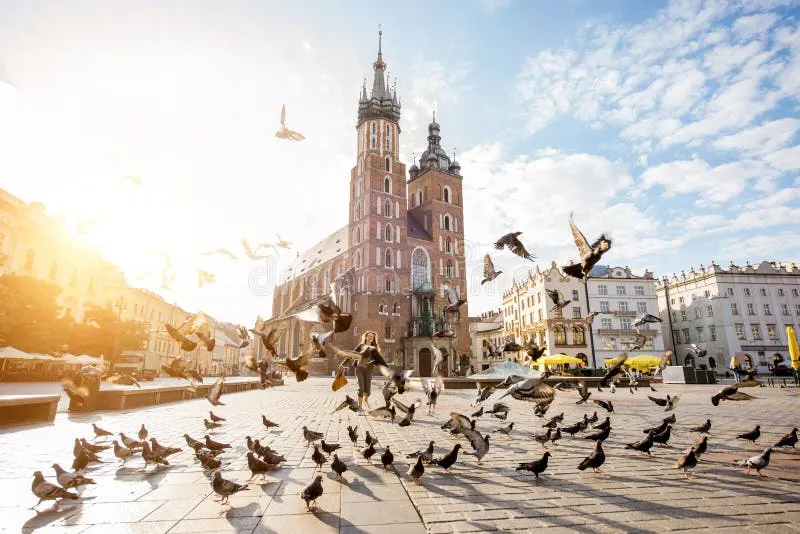
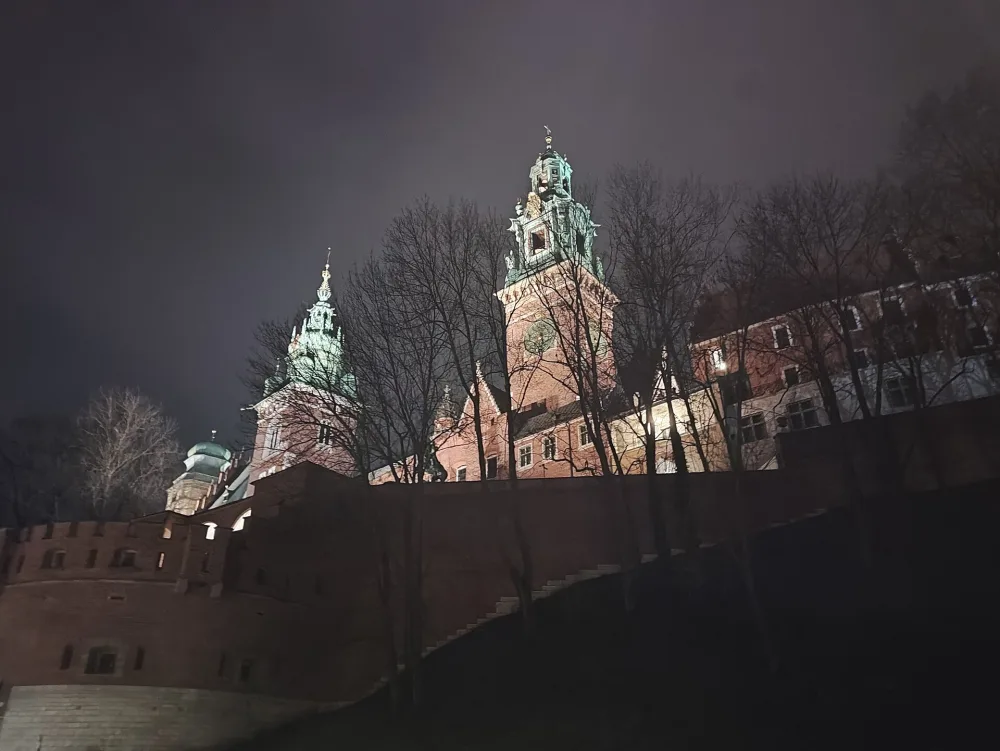
Krakow was the political capital of Poland from around 1038 until 1596, when the capital moved to Warsaw, which is why it is often called the former royal capital. Its historic centre survived the war largely intact, so what you walk through today is genuine medieval, Gothic, Renaissance and Baroque fabric rather than a rebuild. The centrepiece is the Main Market Square, or Rynek Glowny, Europe's largest medieval town square at roughly 200 metres by 200 metres (about 40,000 square metres). It was laid out under the 1257 city charter and still has the Renaissance Cloth Hall at its centre. Add Wawel Hill with its castle and cathedral, and the Kazimierz district, and you have a centre that has been on the UNESCO World Heritage List since 1978, one of the first sites ever inscribed.
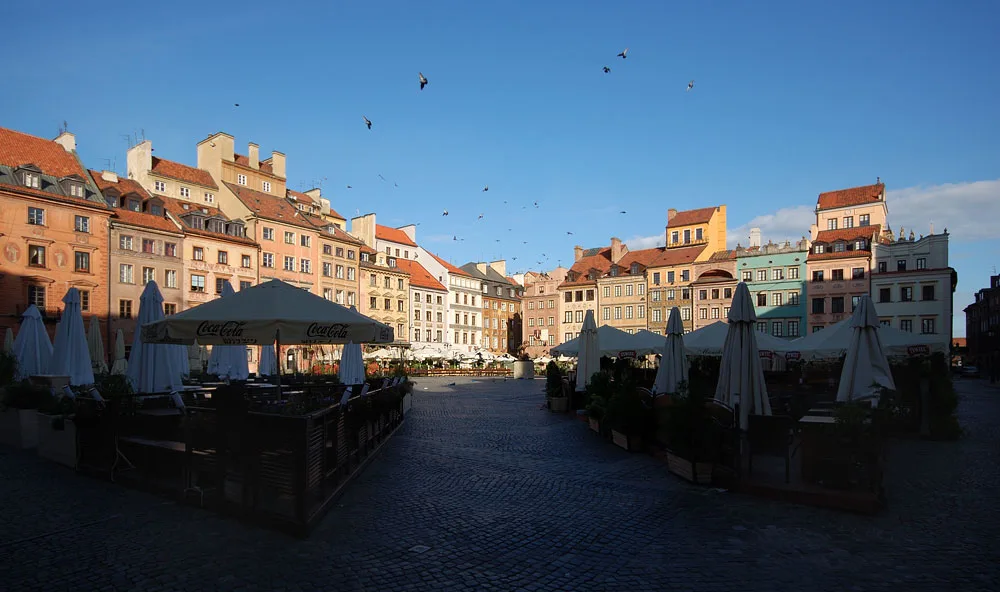
Warsaw's story is very different, and in its own way just as remarkable. During the Warsaw Uprising and its aftermath in 1944, more than 85% of the historic centre was deliberately destroyed by Nazi troops, and much of the city was reduced to ruins. After the war, the Old Town was rebuilt with great care, a reconstruction that ran into the mid-1960s, and it was added to the UNESCO World Heritage List in 1980 specifically as an example of the near-total reconstruction of a historic city core. The Royal Castle came last: it was rebuilt separately and opened to visitors in 1984. So Krakow gives you the original medieval article, while Warsaw gives you a faithful rebuild and the comeback story behind it.
Scale and atmosphere
- Krakow is Poland's second-largest city, with a population of around 800,000. It is compact, tourism-focused and highly walkable. The Old Town and the atmospheric Kazimierz quarter are easily covered on foot, and the whole centre feels built for wandering.
- Warsaw is the national capital and largest city, with a population of around 1.8 million. It is a real working capital, with government, business districts and a modern skyline, and its sights are spread across several districts (the Old Town, the city centre, the Praga district across the river, and the parks). You will lean more on trams and the metro to get around.
Krakow concentrates its highlights into the smallest, most strollable area, while Warsaw asks for a little more planning and public transport but rewards you with big-city energy. In Krakow, an easy way to get your bearings is a slow loop of the compact centre, for example an Old Town cart tour.
Things to do in each city
In Krakow
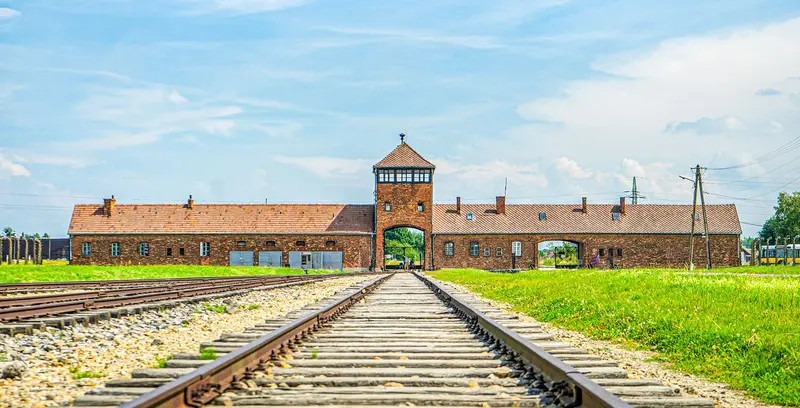
The core sights are Wawel Castle and Cathedral, the huge Rynek Glowny and Cloth Hall, St Mary's Basilica, and the Kazimierz district that was the historic Jewish quarter; our roundup of top things to do in Krakow covers the rest. Krakow is also the classic base for day trips: Auschwitz-Birkenau lies about 66 km west of the city and is one of its most visited excursions, and the Wieliczka Salt Mine and the Tatra Mountains around Zakopane are both within easy reach. Thematically, the city leans towards medieval and royal Poland, Jewish Krakow and Schindler's Factory, and Holocaust remembrance.
In Warsaw
Warsaw's highlights include the rebuilt Old Town and Royal Castle, the POLIN Museum of the History of Polish Jews, the Warsaw Uprising Museum, Lazienki Park, the city's Chopin heritage, and the Palace of Culture and Science. That Palace was Poland's tallest building for decades (now second to Warsaw's Varso Tower) and remains a defining, historically controversial Soviet-era landmark, with a public observation terrace. The riverside Praga district adds a more offbeat side of the city. Warsaw's strengths sit heavily in the twentieth century, from the Uprising to POLIN's sweep across a thousand years of Polish-Jewish life. It is more of an in-city destination than a day-trip base, though it does offer excursions such as Chopin's birthplace at Zelazowa Wola.
Getting between them
Krakow and Warsaw are roughly 250 km apart in a straight line, and about 290 to 385 km by road depending on the route, but the direct fast train makes combining them simple.
- By train: Direct EIP (Pendolino) express trains run city centre to city centre, from Krakow Glowny to Warszawa Centralna, in about 2 hours 15 minutes at the fastest, with most services around 2h15 to 2h45 under the timetable that starts on 30 August 2026. Exact times for your date are on portalpasazera.pl. Slower EIC and IC trains take 30 to 60 minutes longer. During peak morning and afternoon hours a direct train departs roughly every 45 to 60 minutes.
- By road: Driving takes around 4 hours along the A4 and S7 corridor.
- By air: Both cities have major airports. Warsaw Chopin is the country's largest and busiest international hub, and Krakow's John Paul II Airport at Balice is the second-busiest, handling over 11 million passengers in 2024. You can fly into one and out of the other, though for the city-to-city hop the train is usually faster door to door.
Which for whom, and how many days
- Choose Krakow if you are a first-time visitor on a short trip, you want the classic medieval streets and a royal castle, you value walkable sightseeing, and you want the big Krakow day trips such as Auschwitz, the Wieliczka Salt Mine and the Tatras. Krakow packs the most recognisable sights into the smallest, most strollable area.
- Choose Warsaw if you are drawn to a capital city's energy, modern architecture and skyline, deep twentieth-century and wartime history at the Warsaw Uprising Museum and POLIN, Chopin, and big parks, or if you are visiting for business or flying long-haul into the main hub.
- Do both if you have around four to six days or more. A common pattern is a longer base in Krakow with its day trips, plus 1.5 to 2 days in Warsaw, or the reverse depending on your flights.
On timing, plan about 2 to 3 days for Krakow itself, plus extra days for day trips (Auschwitz-Birkenau is roughly a full day, Wieliczka about half a day), and our 3 days in Krakow itinerary shows how those days fit together. Two days covers Warsaw's main highlights comfortably, and a combined 5 to 7 day trip lets you enjoy both without rushing.
If Krakow is your pick, the full Krakow guide will help you plan the rest.
Is Krakow or Warsaw better to visit?
It depends on what you want, but for a first, short trip focused on classic sights and atmosphere, most travellers prefer Krakow. Its medieval Old Town survived the war largely intact, it is compact and walkable, and it is the gateway to Auschwitz and Wieliczka. Warsaw is the better pick if you want a modern capital and deeper twentieth-century history and museums. Neither is a wrong choice.
How far is Krakow from Warsaw?
The cities are about 250 km apart in a straight line, and roughly 290 to 385 km by road depending on the route. The fastest way between them is the direct express train, which takes around 2 hours 15 minutes to 2 hours 45 minutes city centre to city centre.
Can you visit both Krakow and Warsaw in one trip?
Yes, easily. Direct Pendolino (EIP) trains connect the two city centres in about 2 hours 15 minutes at the fastest, with departures roughly every 45 to 60 minutes at peak times. Many visitors base themselves longer in one city and spend 1.5 to 2 days in the other.
Which is better for a first trip to Poland?
For a first trip, Krakow is usually the stronger single choice. It concentrates Poland's most recognisable historic sights, Wawel, Europe's largest medieval market square and Kazimierz, into a compact, walkable area, and it is the launch point for the country's most famous day trips. Warsaw rewards a first-timer who is especially interested in modern history, museums and capital-city life.
Is Warsaw worth visiting?
Yes. Warsaw is a compelling capital with a remarkable comeback story: its Old Town was over 85% destroyed in the war and rebuilt so faithfully that it is UNESCO-listed as a reconstruction. Add strong museums such as POLIN and the Warsaw Uprising Museum, Lazienki Park and Chopin heritage, and it is well worth a stop, especially alongside Krakow.
How many days do you need for Krakow and for Warsaw?
For Krakow, plan about 2 to 3 days for the city, plus extra days for day trips such as Auschwitz-Birkenau (about a full day) and Wieliczka (about half a day). For Warsaw, 2 days covers the main highlights. A combined 5 to 7 day trip lets you enjoy both without rushing.
Is Krakow's Old Town really original, unlike Warsaw's?
Largely yes. Krakow's historic centre survived the war with far less damage than most Polish cities and retains genuine medieval, Gothic, Renaissance and Baroque buildings, UNESCO-listed since 1978. Warsaw's Old Town, by contrast, is a meticulous post-war reconstruction of a centre that was deliberately razed, itself UNESCO-listed for the quality of that rebuilding.
Which city has the better day trips?
Krakow has the edge for classic day trips: Auschwitz-Birkenau (about 66 km away), the Wieliczka Salt Mine, and Zakopane and the Tatra Mountains are all within easy reach. Warsaw's strengths are more in-city, in its major museums and parks, though it also offers excursions such as Chopin's birthplace at Zelazowa Wola.