Planning 3 days in Kraków for a first visit? This itinerary is built for a relaxed pace: you’ll cover the Old Town and Wawel, explore Kazimierz and Podgórze, and choose one memorable day trip outside the city-without turning your trip into a checklist.
Kraków is compact and walkable, but the city also rewards smart timing. Start early for the most popular sights, then use the afternoon for neighborhoods, viewpoints, and local food.
Day 1: Old Town and Wawel (Kraków classics)
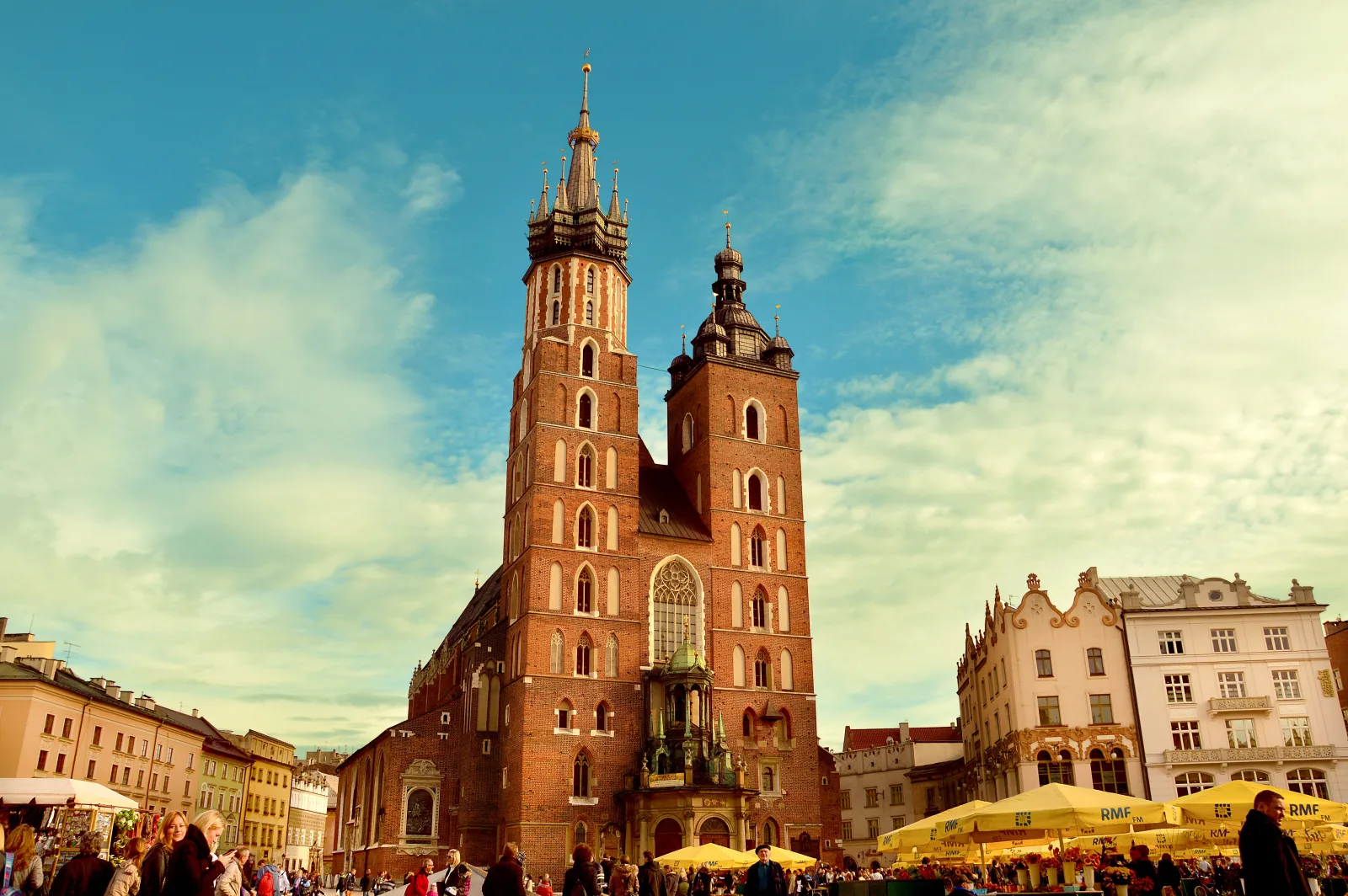
Begin in Rynek Główny, the Main Market Square. Aim for 8:00-8:30 so you can enjoy the architecture before tour groups arrive. You’ll see St. Mary’s Basilica, the Cloth Hall, and the surrounding historic townhouses.
If you plan to visit St. Mary’s Basilica at plac Mariacki 5, check the current 2026 schedule for opening times and any changes around services. The hourly hejnał from the tower is a classic Kraków moment.
From the square, walk along Floriańska Street toward St. Florian’s Gate, then loop back through smaller streets such as ul. św. Tomasza and ul. Sienna. This route keeps you close to the main sights while still feeling like you’re wandering.
For coffee, consider Café Camelot (ul. Św. Tomasza 17). If you prefer something closer to the center, you’ll find more options around ul. Szewska and ul. Grodzka, but prices can be higher right on the square.
Late morning: Wawel Royal Castle and Cathedral
Next, head to Wawel. Walk via ul. Grodzka to Wawel Royal Castle and Wawel Cathedral (Wawel 5). Plan about 2-3 hours if you want to see a few interiors rather than rushing through everything.
Wawel ticketing depends on the current exhibition program. In 2026, pricing can vary by area, and some sections (including popular state rooms) may sell out during peak season. If Wawel is a priority, booking ahead is the safest approach.
For lunch nearby, try Pod Wawelem Kompania Kuflowa (ul. Św. Gertrudy 26-29) if you want traditional Polish dishes. If you prefer lighter meals, look for cafés between Wawel and Planty, but be selective on the most tourist-heavy stretches of Grodzka.
Afternoon and evening: Planty and dinner in the center
After Wawel, take a slow walk through Planty Park. It follows the old city-wall line and is a good way to transition from the castle hill back into the Old Town.
If you’d rather cover more ground with less walking, you can use an electric cart tour in Kraków for an efficient overview of the main areas before dinner.
For your first evening, choose a restaurant near plac Szczepański or around ul. Józefa. Morskie Oko (plac Szczepański 8) is a well-known option for classic Polish food. After dinner, return to the Main Square if you want a quieter, evening atmosphere.
Day 2: Kazimierz and Podgórze (layered Kraków history)
Day two focuses on neighborhoods with a different rhythm. Kazimierz (the former Jewish district) and Podgórze across the river show Kraków’s history in a more personal way.
Start in Plac Nowy, then explore on foot through ul. Józefa, ul. Meiselsa, ul. Szeroka, and the side streets between them. This is a great day for slow walking, courtyards, and small stops.
For breakfast, Ranny Ptaszek (ul. Augustiańska 6) is a popular choice. If you prefer something quick, the cafés around Plac Nowy are convenient and easy for a morning start.
What to see in Kazimierz
Pick a few meaningful stops. Old Synagogue (ul. Szeroka 24) is one of the most important Jewish heritage sites in Poland. Opening hours and ticket prices depend on the current program, so check the latest info before you go.
Nearby, Remuh Synagogue and the cemetery (ul. Szeroka 40) offer a quieter visit and a direct connection to pre-war Kraków.
Between monuments, spend time in the neighborhood itself. Kazimierz is full of murals, small shops, bakeries, and courtyards. Plac Nowy is also known for zapiekanka, the open-faced baguette snack sold from the round building in the center.
Crossing to Podgórze
Cross the Vistula using Kładka Ojca Bernatka, the pedestrian bridge with suspended sculptures. On the Podgórze side, visit Plac Bohaterów Getta, where the empty-chair memorial creates a powerful public space.
Then walk to Oskar Schindler’s Enamel Factory (ul. Lipowa 4). This museum is extremely popular, and timed tickets can sell out. If you want expert context across Kazimierz and the former ghetto area, consider the Kraków Memory Trail tour.
For coffee or a late lunch, explore around ul. Lipowa and ul. Zabłocie. The area has changed a lot in recent years, with modern cafés and restaurants in former industrial buildings.
Day 3: Choose one day trip from Kraków
A 3 days in Kraków itinerary works best with one full day trip. Trying to do two trips usually means less time at each place and more stress with transport.
Most first-time visitors choose one of these: Zakopane and the Tatra foothills, Auschwitz-Birkenau, or the Wieliczka Salt Mine.
Option 1: Zakopane and the Tatra foothills
If you want mountain scenery and a break from city streets, choose a Zakopane day trip from Kraków or a Tatra Mountains tour. Travel time is often about 2-2.5 hours each way, depending on traffic.
In Zakopane, the area around Krupówki Street can be busy. Many tours also include viewpoints, wooden villages, and options like Gubałówka, depending on the route and season.
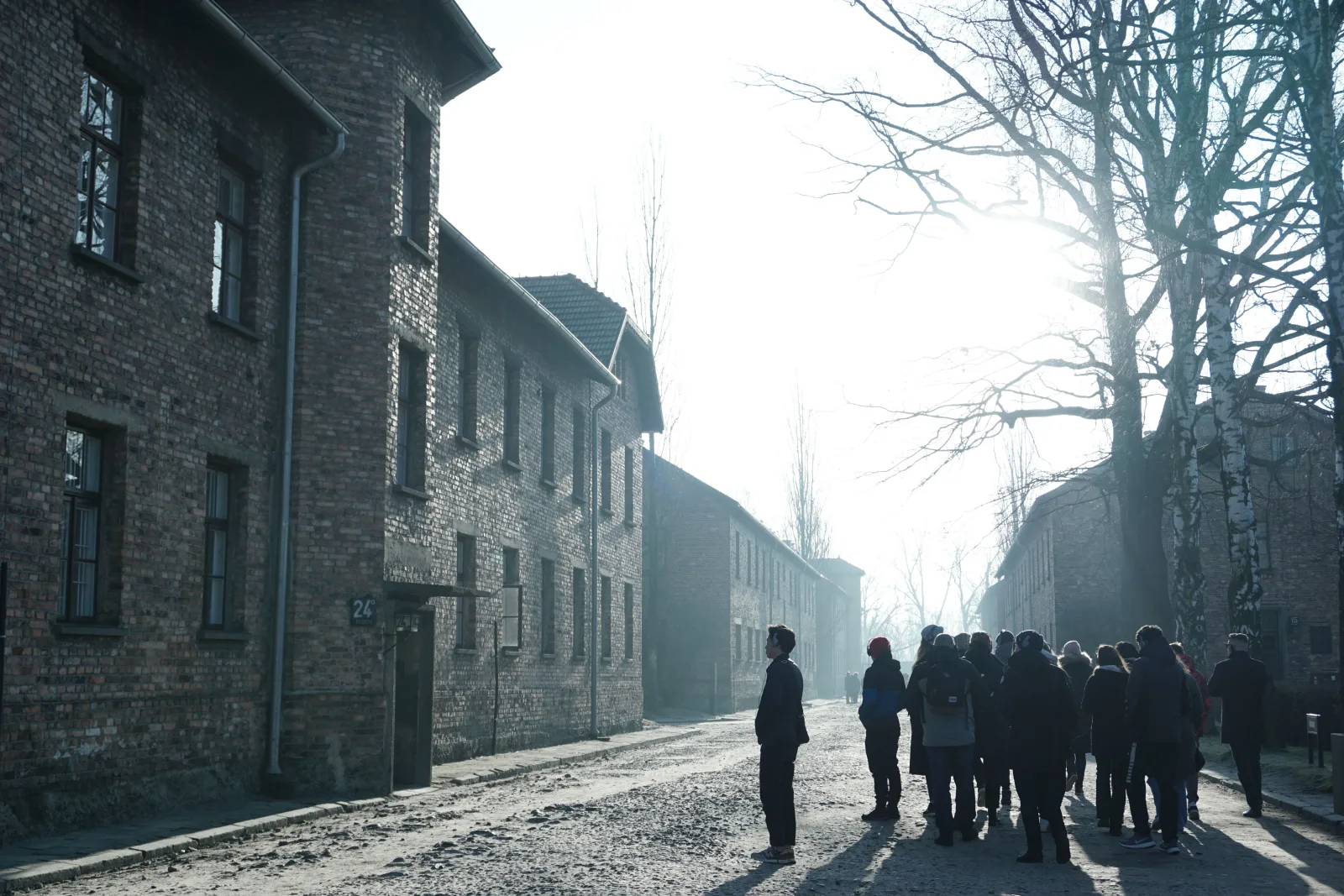
Option 2: Auschwitz-Birkenau Memorial
If you’re ready for a serious, reflective day, book an Auschwitz-Birkenau Memorial tour from Kraków. The site is about 70 km from the city.
Entry is controlled and guided formats are common, so plan ahead for timed entry. Wear comfortable shoes and keep your evening lighter afterward.
Option 3: Wieliczka Salt Mine
If you prefer something easier to fit into a shorter day, the Salt Mine Wieliczka tour is a popular choice. Wieliczka is close to Kraków-often around 30-40 minutes by car.
The underground chambers, salt sculptures, and chapel make it a strong option for families and mixed-age groups. Expect many steps at the start and a long walking route underground, and bring a light layer since temperatures are typically around 17-18°C.
Practical tips for your first 3 days in Kraków
Where to stay
A convenient base is between the Old Town and Kazimierz. Areas near Planty, ul. Starowiślna, or the western side of Kazimierz help you reach both neighborhoods on foot.
If you stay directly on Rynek Główny, you’ll be close to everything, but expect more noise late into the evening.
Getting around
The center is walkable, but trams help for longer hops. Kraków public transport tickets are time-based. Check the latest fare information on the machine before boarding, and validate your ticket if required.
Money and prices
Poland uses the złoty (PLN). Card payment is widely accepted, but it’s still smart to carry some cash for small purchases and market stalls.
In tourist areas, a coffee may cost roughly 14-20 PLN, pierogi often fall around 30-45 PLN per portion, and a full restaurant meal can vary widely depending on the venue.
Best time to start each day
Kraków gets busier from late morning onward. Starting around 8:30-9:00 helps you enjoy the Old Town and major museums with fewer crowds.
This matters most in peak months (May-September) and during Christmas market season.
What to book ahead
For a three-day trip, pre-book at least your top two priorities. Common choices include Wawel interiors and Schindler’s Factory, plus any day trip with timed entry.
If you want to plan around confirmed departures, browse options from our Kraków tours and transfers homepage and build your schedule from there.
A simple 3-day Kraków plan that works
The best 3 days in Kraków itinerary is the one that gives each area enough time to feel distinct. Day one covers the royal and medieval heart of the city. Day two brings you into Kazimierz and Podgórze, where the history feels closer and more meaningful. Day three opens the region beyond Kraków-mountains, Wieliczka, or a memorial visit.
If you’re planning your first trip in 2026 and want help organizing the route, YourKrakow can arrange day trips, city sightseeing, and transfers. Browse our tours, choose the pace you prefer, and make your 3 days in Kraków feel well planned from arrival to departure.
What are the must-see attractions in Kraków for a 3-day visit?
For a 3-day visit, make sure to see the Main Market Square, St. Mary’s Basilica, Wawel Royal Castle, and the Kazimierz district. A day trip to either Auschwitz-Birkenau, the Wieliczka Salt Mine, or Zakopane is also highly recommended for a complete experience.
How much should I budget for meals per day in Kraków?
Budget around 100-150 PLN per day for meals. A coffee can cost around 14-20 PLN, a portion of pierogi usually costs between 30-45 PLN, and a full meal at a restaurant can vary widely but often starts around 50 PLN.
When is the best time to visit Kraków to avoid crowds?
The best time to avoid crowds in Kraków is during the shoulder seasons of spring (April to June) and fall (September to October). Visiting early in the morning also helps, especially in popular areas like the Old Town and Wawel.
How do I get from Kraków to the Wieliczka Salt Mine?
The Wieliczka Salt Mine is about 30-40 minutes from Kraków by car or bus. You can take a direct bus from the city center (bus number 304) or book a guided tour that includes transportation.
What is the best day trip option from Kraków for first-time visitors?
For first-time visitors, a day trip to Auschwitz-Birkenau is highly recommended for its historical significance. Alternatively, the Wieliczka Salt Mine is a great choice for families, while Zakopane offers beautiful mountain scenery.