Wolski Forest in Krakow: walking trails, rocks and the zoo
The woodland bought by the city in 1917 and laid out as a park, with oaks, beeches and birches, Krakow Fortress batteries and rock formations along its trails.
Outside the city centreDirections
Wolski Forest in Krakow (Las Wolski) has walking trails among oaks, beeches and birches, and it includes Sowiniec hill with Piłsudski's Mound, the Camaldolese monastery on Srebrna Góra and the city zoo. VisitMałopolska calls it the largest green enclave of Krakow, often described as the lungs of the city. It is open public woodland; there is no ticket.
- Address: the zoo inside the forest is at Aleja Kasy Oszczędności Miasta Krakowa 14, 30-232 Krakow.
- Getting there: the city walking route starts at the car park on Księcia Józefa Street, by the Srebrna Góra vineyard.
- Time needed: the city walking route is about 6.5 km long and takes about 2.5 hours.
What to see in Wolski Forest
Protected plants grow on the forest floor: asarabacca, ivy, mezereon and lily of the valley. Wild animals live in the forest, among them roe deer, badgers, hares, foxes, martens and squirrels, together with many species of birds, reptiles and amphibians.
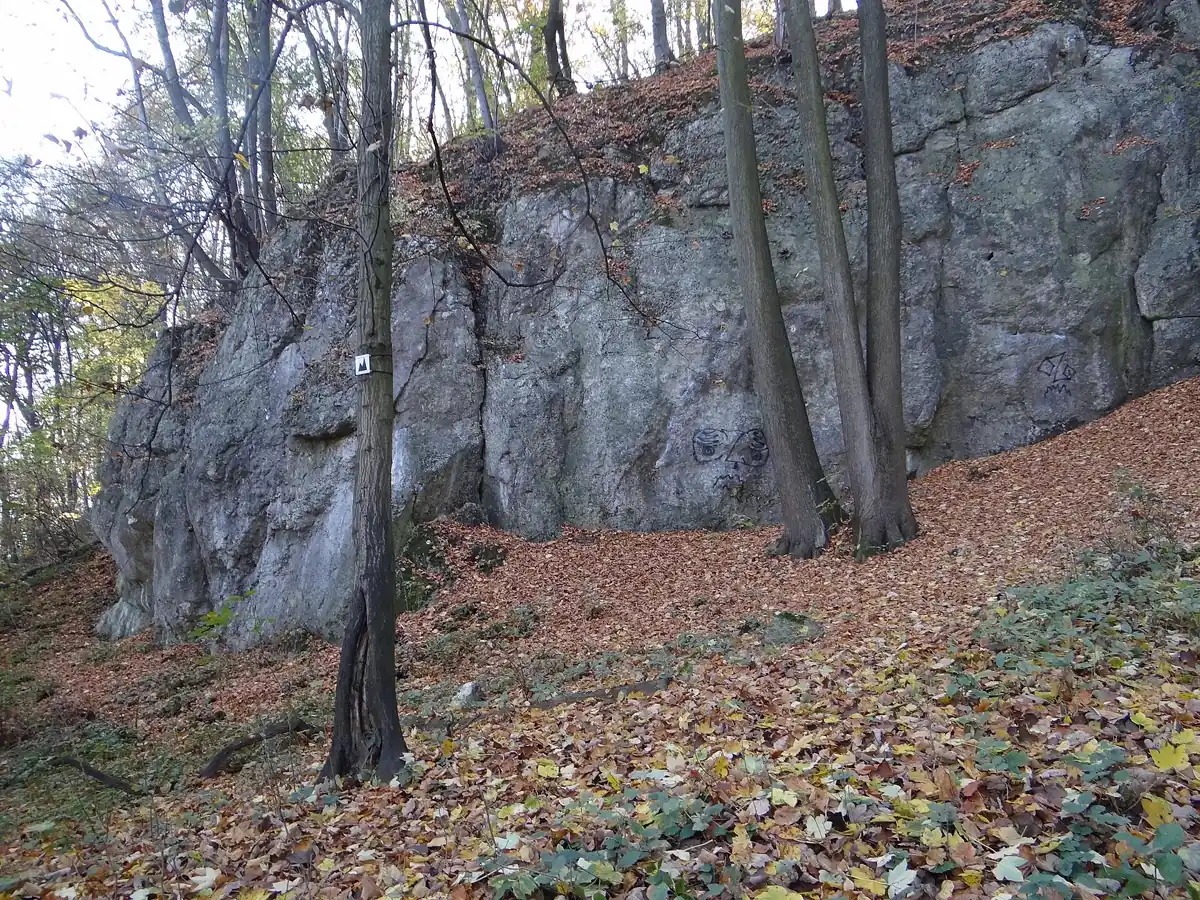
The yellow trail leads through Wolski Dół to the rock formations of the forest: Panieńskie Skały, Kawalerskie Skały and Wolski Murek. The city's walking route passes structures of the Krakow Fortress: the Srebrna Góra battery, the Polana pod Dębiną clearing and the Ostra Góra battery with an ammunition shelter.
The forest also contains the Camaldolese monastery and hermitage on Srebrna Góra, and Villa Baszta on Przegorzalska Rock. The villa was first called Belweder, and the Jagiellonian University owns it today.
History of Wolski Forest and Mikołaj Wolski
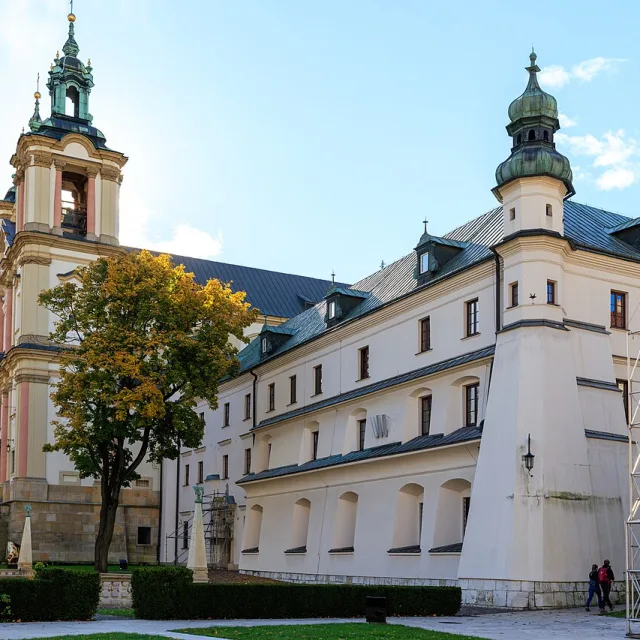
The forest is named after Mikołaj Wolski of the Półkozic coat of arms, Grand Marshal of the Crown and a friend of King Zygmunt III Waza (Sigismund III Vasa). He became known as a skilful diplomat. Wolski brought the Camaldolese order to Poland, and in 1604 the monks settled near Krakow. The area began to be called Bielany after the colour of their habits.
In 1917 Juliusz Leo, the president (mayor) of Krakow, bought Wolski Forest. The Savings Bank of the City of Krakow paid for the purchase on the 50th anniversary of its foundation, and the city at once began to develop the forest as a park.
Leo put the engineer Wincenty Wobr in charge of the area. Wobr divided the forest into 26 sections suited to the terrain and separated a natural part, a recreational part and a production part. He also marked out walking paths, roads, avenues, forest tracks and clearings.
Members of the Krakow branch of the Mikołaj Kopernik Society of Naturalists, Wobr among them, proposed a zoo in the forest, next to the Camaldolese monastery in Bielany. The zoo opened on 6 July 1929 in the presence of the President of Poland, Ignacy Mościcki. During the war the zoo was controlled by the Germans.
Wolski Forest trails and the city walking route
The city lists 8 walking trails, together with cycling, riding and skiing trails. According to VisitMałopolska, the trails have benches, shelters from the rain and educational boards.
The city's walking route "Na włościach Marszałka Mikołaja" (On the estate of Marshal Mikołaj) starts at the car park on Księcia Józefa Street. It follows Aleja Wędrowników to the Camaldolese monastery. The city recommends comfortable walking boots, because part of the route follows forest paths and trails, and advises using a map or satellite navigation on a phone.
According to the city's description of the route, there are no places to eat along it; the nearest are by the zoo gate, about 1 km from the route, so it is worth taking drinks and food. The route is described on the City of Krakow website.
Piłsudski's Mound and the Camaldolese Monastery nearby
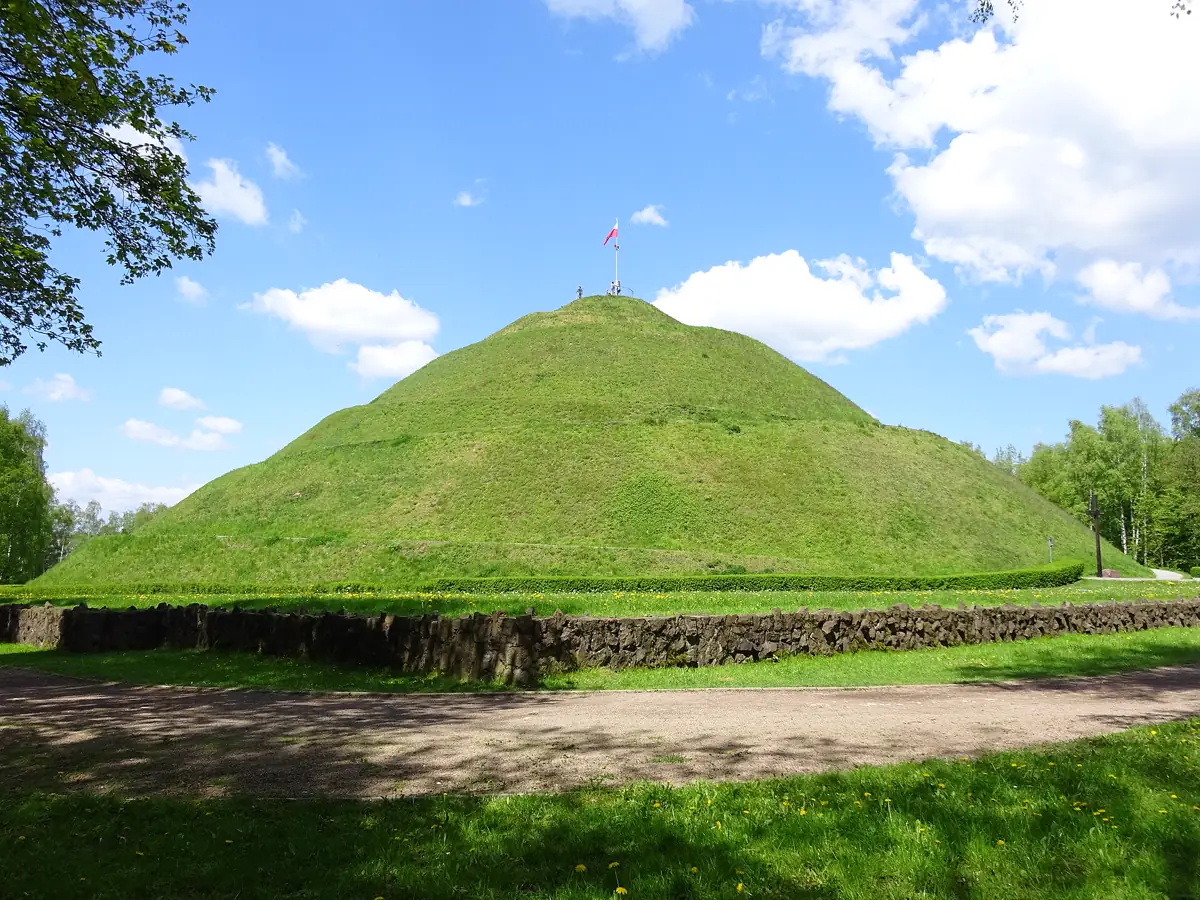
Distances below are measured in a straight line from the point that marks the forest on the map. Piłsudski's Mound is about 1250 m away, and the Camaldolese Monastery in Bielany is about 1750 m away. Kościuszko Mound is about 2250 m away, and Błonia Meadow is about 3600 m away.
Wolski Forest: questions visitors ask
Is the zoo in Wolski Forest?
Yes. The Krakow zoological garden (Krakowski Ogród Zoologiczny) has its permanent home in the forest. According to Radio Kraków, it takes up only part of the forest, about 17 hectares, and the Municipal Park and Zoological Garden Foundation looks after the whole forest.
How big is Wolski Forest?
The City of Krakow gives its area as 422 hectares. The forest stretches from the hills near Kościuszki Street to Kryspinów and is part of the Bielańsko-Tyniecki Park Krajobrazowy (Bielany-Tyniec Landscape Park).
Where is Mikołaj Wolski buried?
At the entrance to the church of the Camaldolese monastery in Bielany, in a Camaldolese habit.
Photo: Kraków - moje miasto, Wikimedia Commons, CC BY 3.0, cropped.
Other places worth seeing
Ready to explore?
Book a tour, hop on an electric cart, or arrange a transfer.