Planning a trip to Kraków is exciting, but packing for the city's changing weather can be surprisingly difficult. Poland has four distinct seasons, and temperatures can vary a lot throughout the year. Spring mornings are often chilly, summer evenings can cool down after sunset, and winter brings freezing temperatures, especially in January and February.
The good news is that you don't need a huge suitcase. A few well-chosen layers will keep you comfortable during most visits. This guide explains what to wear in Kraków every month, what you can leave at home, and which items many visitors forget until it's too late.
Quick Packing Checklist
Before looking at each month, here are the essentials that work for most trips.
Always pack:
- Comfortable walking shoes
- A reusable water bottle
- A power adapter if you're travelling from outside Europe
- A small day backpack
- A portable phone charger
- Sunglasses
- Any prescription medication you need
Depending on the season, you may also want:
- A waterproof jacket
- An umbrella
- A warm hat
- Gloves
- A scarf
- Shorts
- Sandals
- A swimsuit if your hotel has a spa
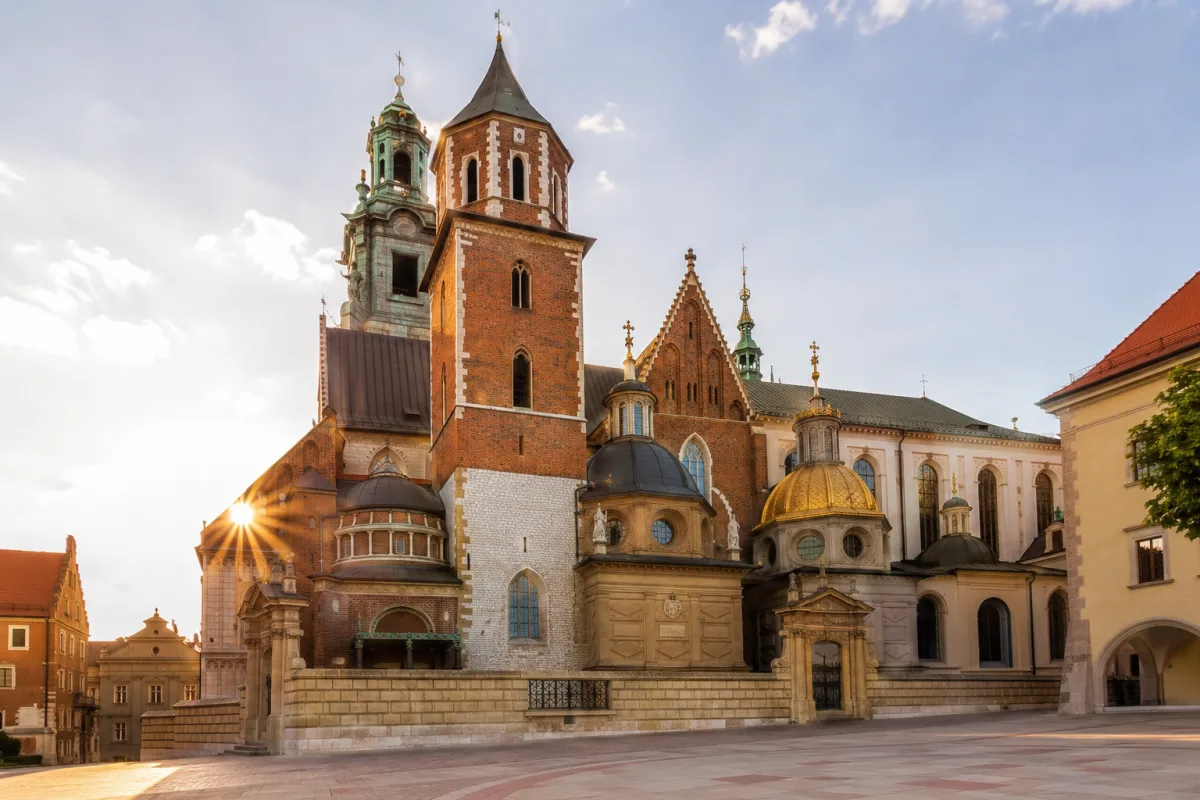
Most visitors spend several hours each day walking around the Old Town, Kazimierz and Wawel Castle. Comfortable footwear is far more important than packing several pairs of fashionable shoes.
Kraków Weather at a Glance
The coldest months are January and February. Daytime temperatures often stay below freezing, although milder periods do happen.
Spring starts slowly. March can still feel like winter, while April brings frequent changes in the weather. By May, outdoor cafés begin filling up and parks become green again.
Summer is usually warm rather than extremely hot. July and August often reach around 27°C, although occasional heatwaves push temperatures above 30°C.
Autumn is one of the nicest times to visit. September remains pleasant, while October brings cooler mornings and colourful parks. November is noticeably colder and often grey.
December combines cold weather with Christmas markets and festive decorations across the city centre.
What to Wear in January
Average daytime temperature: around -1°C to 2°C
January is usually the coldest month of the year. Snow is possible, although some winters are wetter than snowy. Cold winds can make it feel several degrees lower than the forecast.
Pack:
- Warm winter coat
- Thermal base layer
- Wool sweater or fleece
- Waterproof boots with good grip
- Thick socks
- Hat
- Gloves
- Scarf
If you plan to visit Auschwitz-Birkenau or walk around the city for several hours, proper winter clothing makes a big difference. Standing outside feels much colder than moving between museums or cafés.
What to Wear in February
Average daytime temperature: 0°C to 4°C
February feels similar to January, although there are often a few milder days toward the end of the month.
Bring the same clothing you would pack for January. Layers work better than one heavy jumper because indoor spaces are usually well heated.
You'll probably spend part of the day taking your coat off in restaurants, museums and shopping centres.
What to Wear in March
Average daytime temperature: 5°C to 10°C
March marks the beginning of spring, but don't expect stable weather. One day may feel pleasant, while the next brings cold rain or even snow.
Pack:
- Medium-weight jacket
- Sweaters
- Long trousers
- Waterproof trainers or boots
- Umbrella
- Light gloves
Many visitors underestimate March. It often feels colder than the temperature suggests because of the wind.
What to Wear in April
Average daytime temperature: 11°C to 16°C
April has a reputation for changing quickly. Sunshine in the morning can be followed by showers in the afternoon.
You'll be most comfortable if you dress in layers.
Recommended clothing:
- Light waterproof jacket
- T-shirts
- Long-sleeve tops
- Jeans or lightweight trousers
- Comfortable trainers
- Compact umbrella
Flowers begin appearing across Kraków's parks, making this a popular month for walking tours.
What to Wear in May
Average daytime temperature: 16°C to 22°C
Many locals consider May one of the best months to spend time outdoors. Parks, beer gardens and café terraces become busy, and daylight lasts much longer than during winter.
Pack:
- T-shirts
- Light jumper
- Thin jacket for evenings
- Trainers
- Sunglasses
A heavier coat is usually unnecessary unless an unusual cold spell arrives.
What to Wear in June
Average daytime temperature: 20°C to 25°C
June offers long days and pleasant temperatures. Rain showers still happen, but they rarely last very long.
Bring:
- Summer clothes
- Shorts
- Dresses
- T-shirts
- Comfortable sandals or trainers
- Light rain jacket
- Sunglasses
- Sunscreen
Evenings can cool down, so one light jumper is worth bringing.
What to Wear in July
Average daytime temperature: 24°C to 29°C
July is one of the warmest months in Kraków. During hotter periods, temperatures may exceed 30°C.
Pack:
- Lightweight clothing
- Shorts
- Skirts
- Breathable shirts
- Sandals
- Hat or cap
- Sunscreen
Air conditioning exists in many hotels and newer restaurants, but not every historic building has it. Carrying a reusable water bottle helps during long walks around the city.
If you visit churches, remember that modest clothing is appreciated. Covering your shoulders is a good idea.
What to Wear in August
Average daytime temperature: 23°C to 28°C
August remains warm and is one of the busiest months for tourism.
Your packing list can stay almost identical to July's.
Don't forget:
- Sunscreen
- Sunglasses
- Refillable water bottle
- Thin jumper for late evenings
Outdoor festivals and evening walks along the Vistula River are common at this time of year.
What to Wear in September
Average daytime temperature: 18°C to 23°C
September combines comfortable temperatures with smaller crowds than midsummer.
Pack:
- T-shirts
- Long trousers
- Light sweater
- Thin jacket
- Trainers
You'll probably use every layer during the day. Mornings can feel cool, while afternoons remain warm.
What to Wear in October
Average daytime temperature: 11°C to 16°C
October brings crisp mornings and colourful autumn scenery. Rain becomes more frequent.
Recommended items:
- Waterproof jacket
- Sweaters
- Jeans
- Closed shoes
- Umbrella
Leaves cover many of the city's parks, making this a pleasant month for walking, although evenings become noticeably colder.
What to Wear in November
Average daytime temperature: 5°C to 9°C
November is often cloudy and damp. Strong sunshine becomes much less common.
Pack:
- Warm coat
- Sweaters
- Waterproof shoes
- Scarf
- Umbrella
A windproof jacket is more useful than many visitors expect, especially if you spend time outside after dark.
What to Wear in December
Average daytime temperature: 0°C to 4°C
December attracts visitors looking for Christmas markets and festive decorations. Snow is possible, but rain is also common.
Bring:
- Winter coat
- Warm boots
- Hat
- Gloves
- Thick socks
- Sweaters
- Scarf
The Main Market Square becomes busy during December, so you'll spend plenty of time outdoors even if you regularly step inside cafés to warm up.
Items Tourists Often Forget
Comfortable Shoes
Kraków's Old Town is covered with cobblestones. Stylish shoes might look good in photos, but your feet will thank you after a full day of sightseeing if you wear supportive trainers or walking shoes.
A Small Umbrella
Rain showers can arrive with little warning, especially in spring and autumn. A compact umbrella fits easily into a backpack.
Portable Charger
Using maps, taking photos and booking tickets drains your phone battery much faster than you might expect.
Reusable Water Bottle
Tap water is safe to drink in Kraków. Refilling your bottle during the day saves money and reduces plastic waste.
Layered Clothing
Visitors often pack either clothing that is too warm or too light. Several thinner layers give you much more flexibility than one heavy jumper.
Do You Need Hiking Boots?
Not for the city itself.
Comfortable trainers or walking shoes are enough for exploring Kraków. Hiking boots only become useful if you're planning mountain walks around Zakopane or other parts of southern Poland.
Can You Wear Shorts?
Yes.
From June through August, shorts are completely normal. During spring and autumn, you'll probably feel more comfortable in long trousers, especially during mornings and evenings.
Is an Umbrella Worth Packing?
Yes.
Rain can happen in any season. A lightweight umbrella takes very little space and is often more convenient than buying one after you arrive.
Should You Bring Cash?
Most places accept cards, including restaurants, museums and supermarkets. Still, carrying a small amount of Polish złoty is useful for market stalls, public toilets and occasional cash-only businesses.
Frequently Asked Questions
Do I need a heavy winter coat?
Only if you're visiting between December and February. During the rest of the year, a lighter jacket combined with layers is usually enough.
Can I wear trainers in Kraków?
Yes. Comfortable trainers are one of the best choices for sightseeing because you'll spend many hours walking on uneven streets.
Does it snow in Kraków?
Some winters bring regular snowfall, while others are wetter with only a few snowy days. January and February have the highest chance of snow.
Is Kraków windy?
It can be, especially during late autumn, winter and early spring. Wind makes the air feel colder than the actual temperature.
Should I pack formal clothes?
Only if you have specific plans such as attending a concert, fine dining restaurant or special event. Casual clothing is perfectly acceptable for most attractions.
How much can I buy after arriving?
Almost everything. Kraków has shopping centres, pharmacies, supermarkets and clothing stores across the city. If you forget something, replacing it is usually easy.
Final Thoughts
Packing for Kraków doesn't have to be complicated. The key is choosing clothing that matches the season and planning for changing weather. Comfortable shoes, a few layers and a waterproof jacket will cover most situations throughout the year.
If you're visiting during spring or autumn, flexibility matters more than packing lots of clothes. In winter, focus on staying warm. During summer, lightweight clothing and sun protection will make long days of sightseeing much more comfortable.
With the right items in your suitcase, you can spend less time worrying about the weather and more time enjoying everything Kraków has to offer.